
Inheriting or co-owning a family property often starts with positive intentions, but it can quickly turn into a legal and emotional headache when everyone isn’t on the same page.
Whether it’s a sibling who wants to keep the childhood home for sentimental reasons or a relative who refuses to sign closing paperwork, being stuck in a real estate dispute is exhausting.
At We Buy Any Philly Home, we have helped many families sell inherited properties in Philadelphia and worked with executors and legal counsel throughout the process. We are writing this guide to share practical solutions under Pennsylvania law when you need to sell a house a co-owner disagrees with.
Key Takeaways
- A single owner usually cannot sign away the entire property without the consent of all parties named on the deed.
- Deeds, mortgage notes, and open probate cases dictate who actually holds legal authority to make decisions.
- Resolution doesn’t always mean going to court, as buyouts, interest transfers, and mediated sales are common first steps.
- A court can force an end to co-ownership through partition, but the legal fees and loss of control make it an expensive last resort.
- Getting a written cash offer gives a realistic starting point for family negotiations.
Can You Sell a House When a Co-Owner Disagrees in Pennsylvania?
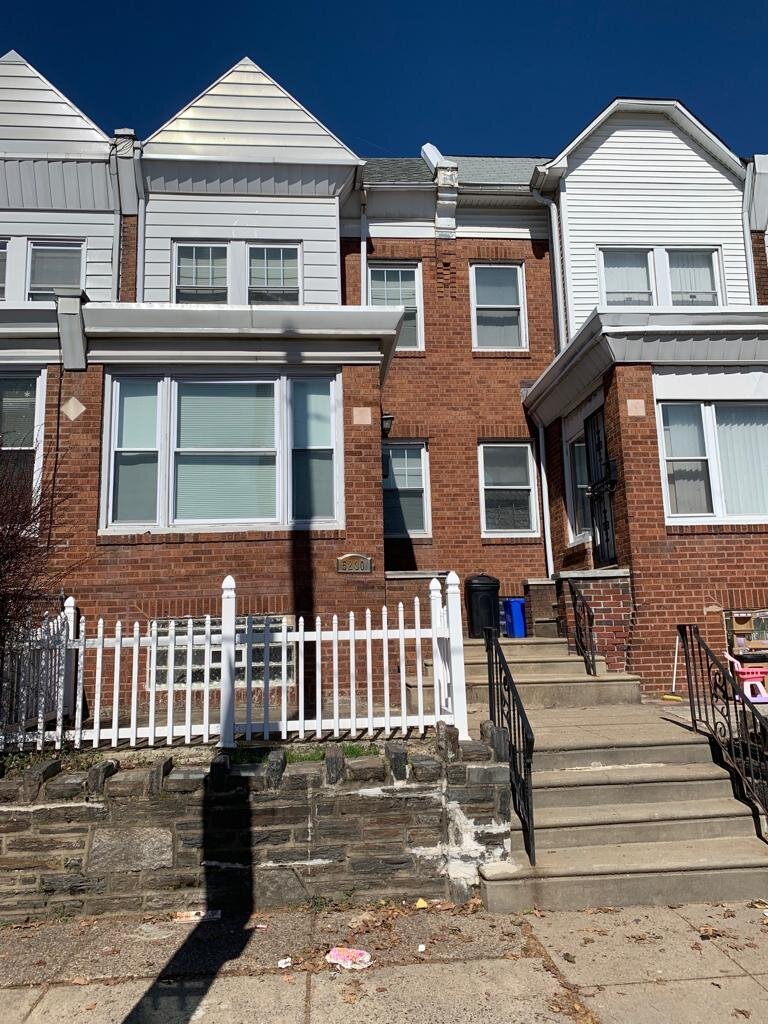
You cannot sell the entire property on your own if a co-owner refuses to sign off.
Under Pennsylvania real estate law, every individual listed on the property deed holds a legal interest in the home, so title companies and closing attorneys will always require every listed owner’s signature on the agreement of sale.
Unless you have legal authority to act for the property or another owner, you generally cannot complete a voluntary sale of the entire property without the required owners’ participation. That authority may come from an estate appointment, a valid power of attorney, or a court order.
Before taking the next step, you need to review the deed and mortgage documents. If the property is inherited, check the will and probate records to confirm who has authority over it.
What Should You Check Before Trying to Sell a Co-Owned House?
When selling a co-owned house, here are the core details worth verifying first:
Confirm Who Legally Owns the Property
Paying the taxes or living in the house doesn’t make you the legal owner. What actually settles it is the deed specifically: whoever’s name is on the most recently recorded one at the Philadelphia Department of Records (or your county’s equivalent).
However, an inheritance, trust, court order, or unrecorded property transfer can affect who currently holds an ownership interest. If the recorded deed does not match your understanding of the ownership, ask a Pennsylvania real estate or estate attorney to review it.
Check Each Person’s Ownership Interest
Ownership is one thing, but how that ownership is structured also matters. Pennsylvania recognizes several forms of co-ownership. For family property disputes, the most relevant forms include tenants in common, joint tenants with right of survivorship, and tenants by the entirety for married couples.
Tenants in Common
Each person owns a specific share of the property, whether that’s an even split or something like 60/40. If a tenant in common dies, their interest does not automatically pass to the surviving co-owner. It generally passes through the deceased owner’s estate according to the applicable estate plan or inheritance law.
Joint Tenants with Right of Survivorship
Owners hold equal shares, and if one dies, their portion transfers directly to the surviving co-owner(s).
Understanding the ownership structure becomes even more important if the property has delinquent taxes, mortgage problems, or an upcoming Philadelphia sheriff sale. In that situation, co-owners should understand their legal interests and act quickly to explore their options.
Check Whether the House Is Still in Probate
If you inherited the home after a relative passed away, it may still legally belong to their estate. When probate is still open, it’s the court-appointed executor or personal representative who has authority over the property.
If you’re navigating this stage of an estate, read our Pennsylvania probate home sale guide to see how property transfers and court approvals work under state law.
Separate the Deed From the Mortgage
Being listed on the property deed is completely separate from being named on the bank’s mortgage note. A co-owner might hold 50% legal title to the home without taking on financial responsibility for the mortgage loan.
Conversely, paying the monthly mortgage bill does not automatically grant you sole ownership authority over a non-paying co-owner.
How to Sell House With Sibling Disagreement
When siblings or other family members disagree about selling a home, your legal options remain fairly structured. Comparing your options side by side can help turn an emotional argument into an objective financial decision.
| Option | What It Involves | Main Advantage | Main Limitation |
| Negotiate a Voluntary Sale | All co-owners agree to market and sell the home together. | Simplest, fastest, and most cost-effective path. | Requires 100% cooperation from every co-owner. |
| Arrange a Co-Owner Buyout | One owner purchases the remaining shares from the others. | Keeps the home in the family while releasing non-willing owners. | Requires an agreed appraisal and available financing or cash. |
| Sell Your Ownership Interest | One owner transfers only their partial fractional share. | Allows an individual to exit without full family agreement. | Extremely difficult to find buyers for partial interests. |
| File a Partition Action | Asking a judge to legally order an end to co-ownership. | Forces a legal resolution regardless of sibling refusal. | Involves significant court costs, delays, and lost control. |
Negotiate a Voluntary Sale
You can sit down with a neutral third party, mediator, or estate attorney to present the facts clearly. Often, a sibling refuses to sell due to fear of moving costs, lack of financial clarity, or emotional attachment.
Showing your family member the exact cash they’ll get after closing and offering to help cover their moving expenses can easily settle the disagreement without going to court.
Arrange a Co-Owner Buyout
If one sibling wants to keep the property while you want your cash equity out, a buyout is a practical middle ground.
Typically, the first step is bringing in an independent, licensed appraiser, someone with no stake in the outcome, to figure out the actual worth of the house on the open market.
For a closer look at how local valuations and appraisals work in our area, you can check out our Philadelphia property market value guide.
Once you have that number, subtract what’s still owed on the mortgage and any verified liens. Whatever’s left is the equity, and that gets split up based on how much of the property each person owns.
A sibling who wants to keep the house would buy you out of your share, either by paying you directly from savings or by taking out a new loan to cover it. Once payment is made, you simply sign a quitclaim deed to transfer your ownership.
Sell Your Ownership Interest
Technically, a tenant in common has the legal right to sell or assign their individual interest in a property to an outside buyer without the other owners’ permission.
But finding a third-party investor willing to buy into a partial interest isn’t easy. And when you do find someone, they’re going to want a steep discount for taking on this kind of situation.
It remains an option if you need an immediate legal exit, but it rarely yields full market value.
File a Partition Action
When negotiations fail, a co-owner who has a legal right to partition may be able to file a partition action in the appropriate Pennsylvania Court of Common Pleas.
- Partition in Kind: Physically dividing the land (common for large rural acreage, but rarely feasible for single-family residential homes).
- Partition by Sale: Ordering the house sold, paying off liens and legal costs, and distributing the net cash proceeds among the owners according to their title shares.
While forcing a partition action in PA gets you out of the situation, the legal bills and court costs may end up taking a huge chunk out of the property’s total equity.
How a Cash Offer May Help Resolve Family Disputes

Co-ownership disputes often become more difficult when family members disagree on what a house is worth or who should pay for repairs. A firm, as-is cash offer puts a concrete figure on paper and gives everyone a practical starting point for discussing a sale or estimating how the remaining proceeds could be divided.
We saw this firsthand with two brothers in South Philly who inherited their parents’ rowhouse. One lived out of state and wanted to sell, while the brother living in the home had no savings for repairs and did not want to deal with open houses.
Instead of immediately turning to a partition action, having a firm cash offer gave them the clarity they needed to discuss a voluntary solution.
We agreed on a price and gave the brother living there two full months to pack up and move. In the end, both received their agreed shares of the sale proceeds and avoided the time and expense that a court dispute could have involved.
Mistakes to Avoid When Selling a Disputed Co-Owned House
When emotions take over in a property dispute, small mistakes may cause costly legal trouble. Avoiding these common traps can protect your financial rights and keep expenses down:
- Stopping Mortgage or Tax Payments
Letting property taxes become delinquent or allowing a mortgage to fall into default can put the property at risk. Mortgage-payment problems can also affect borrowers whose names are on the loan.
- Forging Signatures on Contracts
Signing an agreement of sale on behalf of an uncooperative relative without a valid, legally recorded Power of Attorney is wrong and may immediately void your closing at the title table.
- Ignoring Out-of-Pocket Contribution Credits
If you spent $20,000 replacing the roof while your co-owner contributed nothing, do not split final proceeds blindly 50/50 without consulting an attorney about recovering your maintenance costs.
- Hiring a Realtor Before Securing Consensus
Listing a house without full co-owner consent creates messy legal disputes, damages the listing’s market reputation, and may expose you to real estate broker commission lawsuits.
Conclusion
Property arguments between family members can feel overwhelming, but you do have options. Getting clear on Pennsylvania co-ownership laws, checking your deed, and exploring solutions like buyouts or direct sales can take the guesswork out of the process.
If you’d like a neutral cash offer to help everyone weigh their choices, reach out to us at We Buy Any Philly Home anytime. Send us photos and a description of the property to request a fair, no-obligation cash offer based on its current condition.
FAQs
Can I Force the Sale of Inherited House if I Own More Than Half of the Share?
No, owning the bigger share, whether that’s 60% or 75%, doesn’t give you the legal right to sell the whole property on your own. Every owner on the deed still has to sign off on the closing paperwork.
How Can I Buy Out a Sibling’s Share of a House?
Get an independent appraisal to determine fair market value, subtract any existing mortgage balance, and calculate your sibling’s percentage share. You can then pay them their share using cash reserves, a cash-out refinance, or a home equity loan in exchange for their signing a quitclaim deed.
What Happens if One Sibling Lives in the House and Refuses to Leave?
If the resident sibling holds title on the deed, you cannot simply evict them. You must negotiate a voluntary buyout, structure a formal lease, or file a partition action in court to force a legal sale and possession order.