
In Philadelphia, the Office of Property Assessment (OPA) completed a citywide reassessment touching more than 580,000 properties, and many homeowners are now seeing average annual tax increases of $300 or more.
That kind of hit naturally sends people searching for answers. And that search usually leads to a confusing pile of terms, such as market value, assessed value, and appraised value. If these terms confuse you, too, there is nothing to worry about.
This guide breaks all of it down in plain language. By the end, you will know exactly what each term means, where it comes from, and what to do with it, whether you are appealing your tax bill, planning to sell, or just trying to understand what your Philadelphia home is actually worth.
So, let’s get started.
What Is Market Value in Philadelphia?
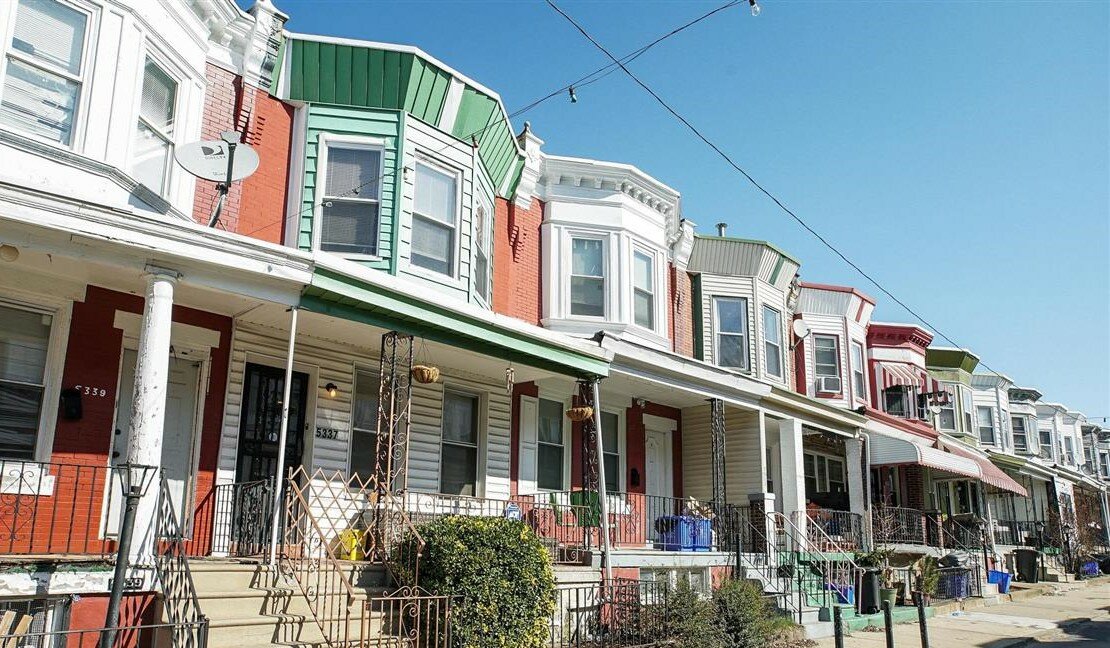
Market value is the price a ready and willing buyer would pay a ready and willing seller in a normal transaction. In simple terms, it is essentially what your home would sell for on the open market today.
Typically, no single person or office sets market value. Instead, it comes from the market considerations like the following ones:
- What comparable homes nearby have actually sold for
- Current buyer demand and mortgage interest rates
- The condition and features of your specific property
A licensed appraiser can also estimate it, and real estate agents can run a Comparative Market Analysis (CMA) to approximate the market value as well. But ultimately, the market decides the value of your home.
One thing many Philadelphia homeowners do not realize is that the market value does not appear anywhere on their tax bill. The city does not collect taxes based on what buyers would pay for your home today. That is a separate number entirely, and you shouldn’t mix it up with the real tax.
What Is Assessed Value in Philadelphia?
Assessed value is the number the OPA assigns to your property for the sole purpose of calculating your property tax bill. It is not an opinion of what your home would sell for. It is an administrative figure produced by a city system.
Philadelphia assesses properties at 100% of the estimated market value, and this policy has been in place since Tax Year 2014. In practice, that means the OPA tries to set your assessed value equal to what they believe your home would sell for. But the two numbers frequently diverge.
How the OPA calculates it:
The OPA uses a system called CAMA (Computer Assisted Mass Appraisal). It pulls in comparable sales data, permit records, physical inspection data where available, and neighborhood trends to calculate values across the entire city at scale.
Because it processes hundreds of thousands of properties, it works from patterns and averages rather than detailed individual analysis.
What the 2025 Reassessment Means for Your Bill:
Citywide assessed values went up more than 11% on average. Here is what that looks like in real numbers at Philadelphia’s current millage rate of 1.3998%:
| Assessed Value | Estimated Tax Bill |
| $150,000 | ~$2,100 |
| $250,000 | ~$3,499 |
| $350,000 | ~$4,899 |
| $450,000 | ~$6,299 |
One important thing to note is that the assessments lag the real market by 12 to 18 months. The OPA uses sales data from a prior period, so your assessed value reflects where the market was, not necessarily where it is right now.
You can look up your current assessed value at Property Phila, which takes about 30 seconds and gives you your assessed value, tax history, and property characteristics as the city has them on file.
What Is Appraised Value and Why It Matters When Selling
Appraised value is a formal or documented opinion of a property’s worth, produced by a licensed appraiser after physically examining the home and reviewing recent comparable sales. In the Philadelphia area, a standard residential appraisal typically costs between $300 and $500. Lenders require it before approving a mortgage.
You typically need it when
- Buying or selling with mortgage financing
- Refinancing your existing mortgage
- Applying for a home equity line of credit (HELOC)
- Settling an estate or going through probate
- Pricing a high-value property where precision matters
Market Value vs. Assessed Value vs. Appraised Value: Quick Comparison
Now that you know what exactly each type of property value means, take a look at the following comparison table to further understand the difference between them:
| Value Type | Who Determines It | Main Purpose | How Often It Changes |
| Market Value | Buyers, sellers, agents, the market | Listing price, negotiation | Constantly |
| Assessed Value | City of Philadelphia OPA | Property tax calculation | Every 1 to 2 years |
| Appraised Value | Licensed appraisers | Mortgage refinancing | Per transaction |
From the table, it’s clear that a residential property may have three entirely distinct values at a time. Each one is determined based on specific factors, and not all of them serve the same purpose. However, these three are equally important when it comes to selling, refinancing, taxing, or evaluating a property.
How to Lower Your Philadelphia Property Tax Bill
Philadelphia offers several programs that can meaningfully reduce what you owe each year. Most homeowners qualify for at least one of them.
1. The Homestead Exemption
The Homestead Exemption reduces your assessed value by $100,000 for tax purposes, saving most eligible homeowners up to approximately $1,399 per year.
- Available to all owner-occupants, with no income or age limit
- Apply once at phila.gov, and it renews automatically.
- Comes with a deadline of December 1st (each year for the following tax year)
If you own and live in your Philadelphia home and have not applied yet, this is the single most straightforward tax reduction available to you.
2. Longtime Owner Occupants Program (LOOP)
LOOP is designed for homeowners whose assessed values jumped sharply in a short period.
You may qualify if:
- Your assessment increased 50% or more in a single year, or 75% or more over five years.
- You have owned and lived in the property for at least 10 years.
- You meet the income requirements.
LOOP freezes your assessed value to prevent it from continuing to climb. It cannot be combined with the Homestead Exemption, so you would choose whichever benefit is larger for your situation.
3. Senior Citizen and Low-Income Tax Freeze
The senior citizen program freezes your actual tax bill as well as the assessed value. Even if the city raises the millage rate or reassesses your property upward, your bill stays fixed at the amount it was when you enrolled. However, remember that income and residency requirements apply, and applications are typically due by September 30th each year.
The Philadelphia Office of Property Assessment and the Pennsylvania Department of Revenue both publish current eligibility details. You can read their guidance and review the latest application requirements to determine whether you qualify for the program.
4. An Appeal for Reassessment of Home Value
If you believe your assessed value is wrong, too high, based on incorrect property information, or out of line with comparable homes nearby, you have the following two appeal paths:
- First Level Review (FLR)
- Board of Revision of Taxes (BRT) Appeal
The First Level Review (FLR) is an informal review conducted directly by the OPA. It is free, requires no attorney, and uses the form included with your Notice of Valuation. Most homeowners start with this appeal. But if that doesn’t work for you, you can opt for the second one.
The Board of Revision of Taxes (BRT) handles formal appeals with a hearing process. It usually has a deadline on the first Monday of October each year. You can file both an FLR and a BRT appeal at the same time, which is worth doing if the stakes are meaningful.
Why Assessed Value Shouldn’t Determine Your Asking Price
In short, assessed value is not a reliable asking price, and it was never designed to be. It’s just a tax calculation tool. Using it as a pricing guide in home selling can cost you real money in both directions.
For instance, if you price your home too high based on an inflated assessment, it may sit on the market longer than expected.
As a result, repeated price reductions become part of the public record and can signal to buyers that something is wrong with the property, even when nothing is.
On the other hand, if you price your home too low based on an outdated assessment, you risk leaving equity on the table.
So, make sure that you base your asking price on the current market value for maximum gains.
Need to Sell Your Philadelphia Home? Get a Fair Cash Offer Today
Understanding the difference between market value and assessed value is genuinely useful. But if you are dealing with a tax burden that has become unmanageable, an inherited property in probate, or any situation, knowing the numbers is only half the battle. The other half is working with an experienced real estate firm that can provide a fair cash offer and a straightforward path to closing.
At We Buy Any Philly Home, we make fair all-cash offers based on your current property condition and market value. If you are navigating a divorce sale in Philadelphia or need to stop a foreclosure before it reaches a sheriff sale, we have handled situations exactly like yours across Philadelphia’s neighborhoods since 2014.
Call us at 215-515-8035 or get a cash offer today without any obligation or pressure. Let’s have a straightforward conversation about what your home is worth and what working with us would actually look like.
Frequently Asked Questions
Is the assessed value the same as the market value in Philadelphia?
No, they are not the same. Philadelphia assesses at 100% of the estimated market value in theory. On the other hand, OPA’s CAMA system works from sales data that lags the real market by 12 to 18 months, so your assessed value reflects where prices were during a prior period, not necessarily what a buyer would pay today.
How do I find my property’s assessed value in Philadelphia?
You simply need to visit the official Property Philla website and enter your address. The portal shows your current assessed value, tax history, and the property characteristics the OPA has on file. It is free and takes under a minute.
Can I sell my house for less than the assessed value?
There is no legal requirement to sell at or above the assessed value. In distressed situations, damaged properties, or cases where you need to sell fast, selling below assessed value is common and perfectly legal. Cash buyers regularly purchase Philadelphia homes below their assessed value when the condition or circumstances justify it.
What is the Philadelphia property tax rate in 2025?
Philadelphia’s current millage rate is 1.3998% of assessed value. For a home assessed at $250,000, that works out to approximately $3,499 per year before exemptions. The Homestead Exemption drops the taxable base by $100,000, bringing that same bill down to roughly $2,100.
Does a cash buyer use the assessed value to make an offer?
No, not at all. A professional cash buyer bases their offer on the property’s current condition and current market situation, using knowledge of comparable sales and local pricing in your specific neighborhood. Assessed value is just a tax tool and plays no role in how a cash offer is calculated.