
ATTOM reports that 227,548 properties faced foreclosure filings in the first six months of 2026 alone. That is a 21% jump from last year. What might surprise you is that a solid chunk of those filings came right from Pennsylvania.
The good news is that many Philadelphia homeowners still have legal ways to stop a sheriff sale before the auction happens. In this guide, we’ll explain what a sheriff sale is, how it proceeds, and how to stop a sheriff sale in Philadelphia.
Quick Summary
A sheriff sale is a court-ordered auction that sells a property to satisfy unpaid mortgage or tax debt. To stop a sheriff sale in Philadelphia, homeowners can pay the debt, negotiate a payment plan, submit a court petition to postpone, or file for bankruptcy before the scheduled sale date.
What Is a Sheriff Sale in Philadelphia?
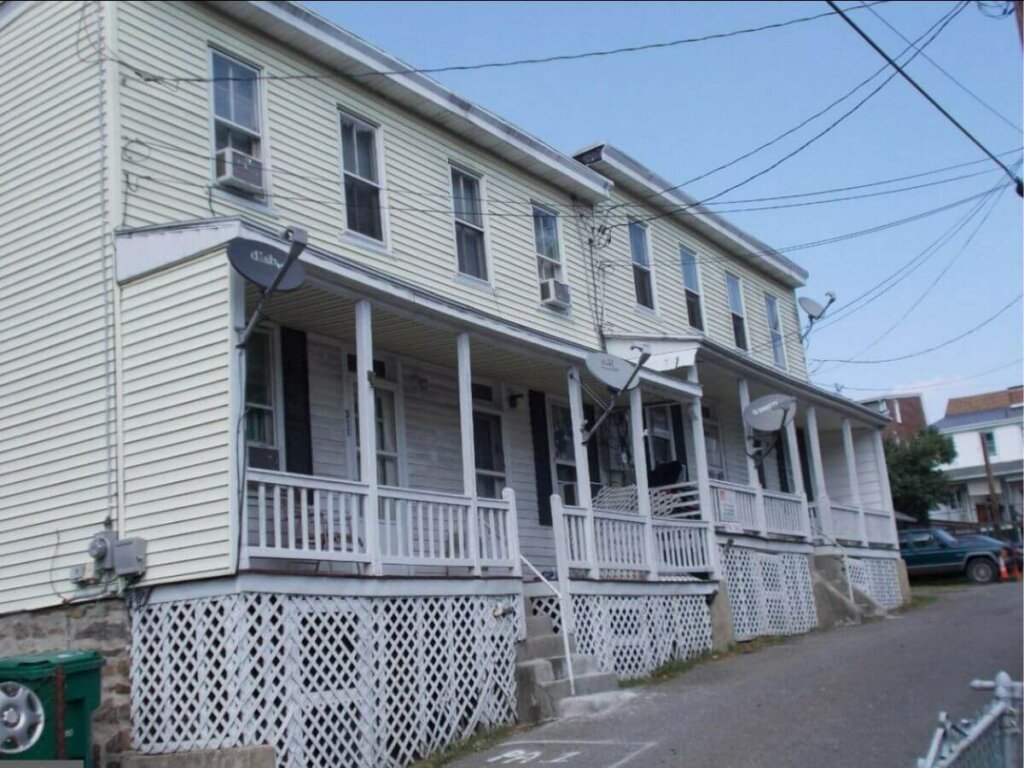
A sheriff sale in Philadelphia is a public auction, ordered by the Court of Common Pleas, to sell a property to collect unpaid debt owed to a mortgage lender or the City of Philadelphia. The Sheriff’s Office holds the auction, but the debt, whether it is a missed mortgage or unpaid real estate taxes, is what starts the whole process.
Why Do Sheriff Sales Happen?
Sheriff sales happen when a homeowner falls behind on a debt that a lender or creditor can legally collect by taking the property. The most common reasons involve missed mortgage payments and unpaid property taxes.
Other reasons for a Sheriff’s sale include:
- Not paying multiple mortgage payments
- Not paying property taxes in Philadelphia
- Municipal or tax liens
- Water or utility claims against the property
- A court judgment secured against the home
- Failure to repay or a failed loan modification arrangement
- An inherited mortgage or tax problem that was not resolved
Which Properties Can Be Sold at a Philadelphia Sheriff Sale?
Nearly any real property in Philadelphia County can end up on the sheriff sale calendar, including single-family homes, rental duplexes, vacant lots, and commercial buildings. The court does not distinguish based on how nice the property looks or how long the family has owned it.
What matters is whether a valid, unpaid debt is attached to the deed. Owner-occupied homes, rental properties left to an estate, and long-vacant houses with mounting L&I (License and Inspection) violations all show up on the same list.
An inherited house may also face auction if the deceased owner left unpaid taxes or mortgage debt. That’s the reason why many families search for the right legal assistance when it comes to learning about how to sell an inherited house in Philadelphia.
How Does the Philadelphia Sheriff Sale Process Work in Philadelphia?
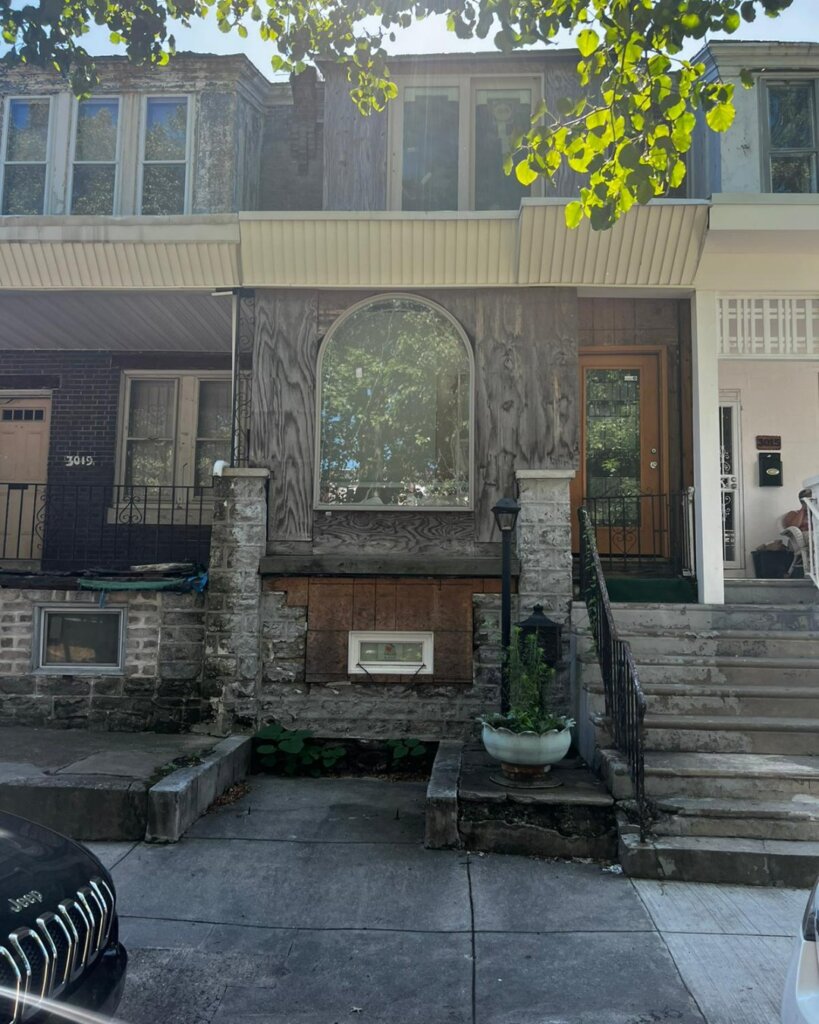
The Philadelphia sheriff sale process follows a fairly predictable legal sequence, and knowing where a property sits in that sequence tells you how much time is actually left. Here is how it moves from missed payment to auction day.
1. The Lender or Taxing Authority Starts Foreclosure
When a mortgage payment or tax bill is left unpaid long enough, the lender or the City’s Law Department files a foreclosure complaint in the Court of Common Pleas. This is the official start, and it usually follows a number of notices that have been ignored.
2. The Court Issues a Judgment
If the homeowner ignores the complaint or answers it and still loses, the court issues a judgment against the property. This judgment validates the debt and gives the creditor legal power to move forward with a sale.
3. A Sheriff Sale Is Scheduled
After judgment, the creditor applies for a writ of execution, and the sheriff’s office schedules a specific date for an auction. That date becomes an important legal deadline because your available options may narrow as it approaches. Your options may shrink because lenders, courts, buyers, title companies, and attorneys need enough time to complete their work.
4. The Property Is Advertised
The property appears in public notices and on the official sheriff sale list that Philadelphia residents can search online. The Philadelphia Sheriff’s auction portal allows users to search by address, auction date, ZIP code, book and writ number, and sale type.
5. The Public Auction Takes Place
Philadelphia currently conducts sheriff sales virtually. Qualified bidders register, submit the required deposit, and bid through the approved auction platform.
For mortgage sales, the creditor provides an upset price. Sheriff’s costs are then added to determine the reserve price. When bidding meets the required reserve, the highest qualified bidder may purchase the property.
6. Sale Proceeds Are Used to Pay Debts
The money from the winning bid first goes to pay off the underlying debt. These debts can include the mortgage balance, taxes, or liens that caused the sale. Any money left after all debts, fees, and costs are paid can go to the former owner. But in many cases, little or nothing is left.
7. Ownership Is Transferred
Once the Sheriff’s Office has verified the sale and the buyer has paid, ownership is transferred to the new owner by a deed. From this point, the former homeowner’s legal claim to the property is gone.
How Can You Stop a Sheriff Sale in Philadelphia?
There are several proven ways to stop a sheriff sale in Philadelphia, and the right one depends heavily on how much time is left before the scheduled date and how much debt is actually owed. Most homeowners have more than one option available, even close to the auction date. Here are the main legal options available:
1. Pay the Outstanding Debt
The most direct route to avoid a sheriff sale is to pay the debt in full or to achieve a full reinstatement of the mortgage. For sales due to taxes, the City generally removes a property from the sale list once the balance is paid or a qualifying payment plan is in effect.
2. Negotiate with Your Lender
Lenders are often willing to discuss a repayment plan, loan modification, or forbearance agreement, especially when a homeowner reaches out before the sale date rather than after.
So, you should contact your servicer immediately and submit every requested document. The Consumer Financial Protection Bureau explains that submitting a complete loss mitigation application more than 37 days before a scheduled foreclosure sale may provide additional review protections under federal servicing rules.
3. Get a Court Order to Postpone a Sheriff Sale
A homeowner can file a petition asking the Court of Common Pleas to postpone the sale, giving additional time to arrange financing, sell the property, or resolve the debt. According to the Philadelphia Courts’ own filing guidance, petitions can technically be filed up until the day before the sale, though filing at least a week in advance tends to get a more favorable hearing.
4. File Bankruptcy Before the Sale
Another way to stop sheriff sales in Philadelphia is to file for bankruptcy. Filing bankruptcy before your scheduled auction date puts in place a legal stay that will stop the sale immediately and buy you time to work out a longer-term solution. This is often the last available option once a sale date is only days away, and because bankruptcy works differently from the other options, it is worth looking at separately.
How Bankruptcy Can Pause a Sheriff Sale
Filing for bankruptcy triggers an automatic stay, a legal order that immediately halts foreclosure actions, including a scheduled sheriff sale, the moment the petition is filed. According to the U.S. Courts’ official bankruptcy basics guide, this stay takes effect as soon as a Chapter 13 or Chapter 7 petition is filed. It stops the foreclosure proceeding without requiring a separate court hearing first.
It creates breathing room, not a permanent solution, which is why the type of bankruptcy filed matters so much.
Chapter 7 vs. Chapter 13: What Is the Difference
Chapter 7 and Chapter 13 bankruptcy stop a sheriff sale in very different ways, and choosing between them depends on income, equity, and whether the goal is keeping the home or simply gaining time.
Here is a quick breakdown of differences between them:
| Factor | Chapter 7 | Chapter 13 |
| Automatic stay | Applies immediately | Applies Immediately |
| Keep the home long-term | Rarely, unless debt is discharged fast enough | Yes, through a repayment plan |
| Repayment structure | None; debts are typically discharged | 3 to 5 year repayment plan |
| Best suited for | Homeowners planning to sell or relocate | Homeowners who want to keep the property |
Chapter 13 tends to fit homeowners who want to stay in the home and catch up on missed payments over time. On the other hand, Chapter 7 tends to fit homeowners who need the stay for breathing room while arranging a sale or transition, since it does not include a repayment structure for the mortgage itself.
When Can Bankruptcy Not Stop a Sheriff Sale?
There are several cases when even bankruptcy cannot stop a sheriff sale. Usually, that happens in cases when the auction has already been legally completed, or the automatic stay does not apply. Besides that, here are the other causes that can lead to a failure in stopping a sheriff sale:
- You filed repeated bankruptcy cases within the previous year.
- A prior case was dismissed.
- The court finds that you filed in bad faith.
- The creditor receives permission to continue foreclosure.
- You fail to make required Chapter 13 payments.
- You cannot afford current mortgage payments after filing.
- The property does not belong to the person who filed bankruptcy.
The Final Words
A sheriff sale notice feels like the end of the road, but in almost every situation described here, there is still time to act. Paying the debt, negotiating directly with a lender, filing a court petition, and using bankruptcy protection are all legitimate paths that have stopped sales for Philadelphia homeowners before. That means you can also go with any of these options based on your current situation.
At We Buy Any Philly Home, we can help you get the best cash offer before the sheriff sale date. We make fair, all-cash offers based on a property’s current condition, using photos and a description you provide, with no showings, no repairs, and no commissions involved. If a sheriff sale date is approaching and you want to understand your options, reach out to us today.
Frequently Asked Questions
How many times can a sheriff sale be postponed in PA?
Pennsylvania does not provide every homeowner with a fixed number of automatic postponements. A creditor, the Sheriff, or a court may postpone a sale when a valid reason exists.
What happens if a house doesn’t sell at a sheriff sale?
The property usually gets listed again for a future auction date. In other cases, it goes right back to the lender or the city because nobody else placed a bid.
Who gets the money from a sheriff sale?
Money from the auction goes toward paying off the debt first, along with court fees and costs from the sale. If anything is left over after all of that gets paid, the rest goes back to the former homeowner.
Can I sell my house before a sheriff sale?
Yes, and doing so is one of the more common ways homeowners resolve the situation entirely, since a completed sale pays off the debt and cancels the scheduled auction.