
Falling behind on mortgage payments can happen to anyone. Life throws unexpected curveballs like a job loss, medical bills, a divorce, or just plain inflation, and suddenly, the monthly statements start piling up. If you are stressed about missed payments, you might be asking yourself, ‘Can I sell a house behind on mortgage payments?’
The short answer is yes, in most cases. You still own your home and have every right to sell it. But if your lender has already started the foreclosure process, you’ll need to move fast enough to close the sale before the foreclosure officially goes through.
According to the Federal Reserve Bank of New York, total U.S. mortgage balances climbed to $13.17 trillion in Q4 2025. Millions of homeowners across the country are navigating high monthly costs, and many are looking for a clean way to reset their finances.
As local Philadelphia home buyers who have been helping neighbors navigate mortgage distress since 2014, we wrote this article to explain how to sell a house with mortgage arrears. We will explain your options and how you can regain control of your situation before the bank takes over.
What Does It Mean to Be Behind on Mortgage Payments?
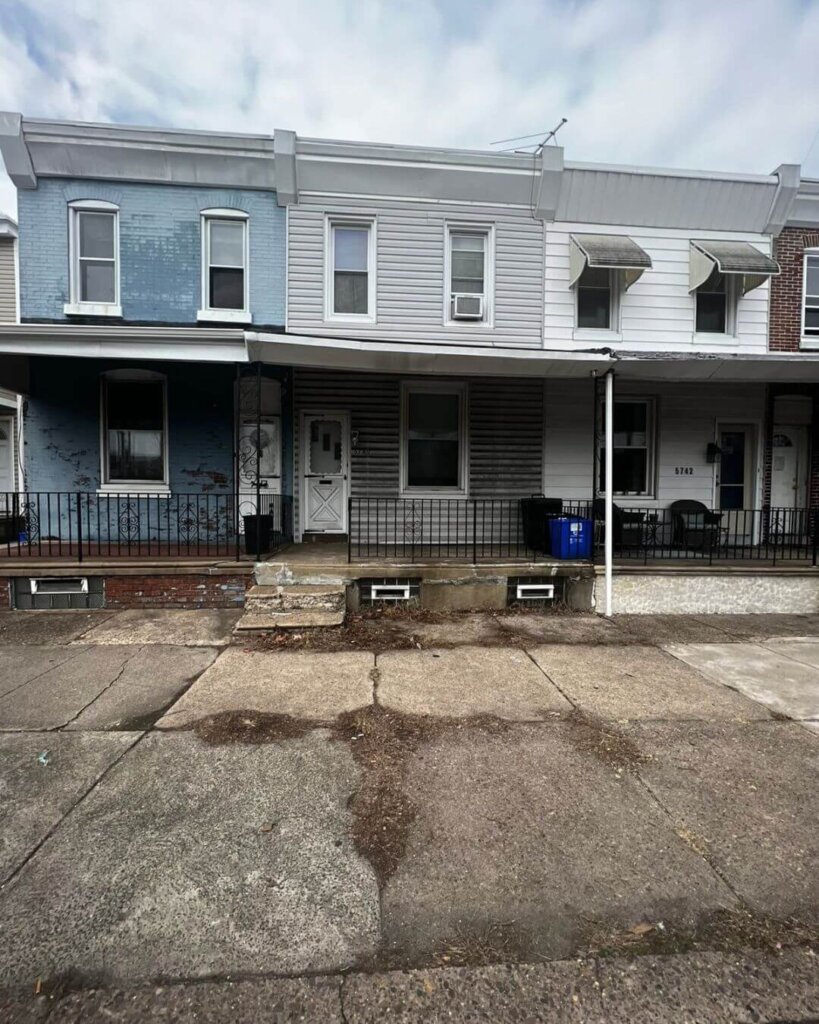
Falling behind on your mortgage means you have missed one or more required payments. Your loan documents and servicer may use terms like ‘delinquency’ or ‘default’ at different stages.
30 Days Late
Most lenders give you a small grace period until around the 15th. But once you hit that full 30-day mark, they officially log the missed payment and ding your credit score.
60 Days Late
Late fees start piling up, and the letters and calls from your bank start getting a lot more urgent.
90+ Days Late
For most residential mortgages, the servicer generally cannot start the legal foreclosure process until the loan is more than 120 days delinquent. Before then, you may still have options such as repayment plans or other loss-mitigation programs.
What Happens When You Fall Behind on Your Mortgage?
Missing mortgage payments can trigger increasingly serious consequences, but foreclosure does not usually begin immediately.
- Late fees start stacking up right away, making your total balance that much harder to clear.
- A reported late mortgage payment can significantly affect your credit score, but the impact varies based on your credit history and overall profile
- Warning letters show up in your mailbox as formal notice that foreclosure is around the corner.
- If you do not resolve the delinquency, the lender may eventually file a mortgage foreclosure action. In Pennsylvania, a completed foreclosure can lead to a Sheriff Sale.
Can You Sell a House With a Mortgage Behind on Payments?
Yes, you can. Lenders don’t actually want your house. They want their money back. Selling your property clears the underlying debt, which satisfies the bank’s main objective.
Here are a few key details:
The Bank Gets Paid First at Closing
The title company automatically handles these transactions. They take the buyer’s money and pay off your mortgage, accumulated late fees, and back interest before sending any leftover cash your way.
You Need Equity, or Approval for a Short Sale
If your home is worth more than what you owe, the sale covers the bank, and you keep the profit. If you owe more than the home is worth, you’ll either have to bring cash to the table or ask the bank to approve a short sale (in which the lender agrees to accept less than the full mortgage balance and allow the sale to proceed).
Timing Matters
You may still be able to sell before a scheduled mortgage foreclosure sheriff sale, but the sale must close, and the foreclosure must be properly stopped before the auction proceeds.
For practical tips on closing quickly when you’re short on time, check out our guide on how to sell your home fast in Philadelphia.
Note: Once a Philadelphia property is sold at a Mortgage Foreclosure Sheriff Sale, the former owner does not have the same post-sale right of redemption that may apply to certain tax sales. That makes it especially important to act before the mortgage foreclosure sale occurs.
How to Sell Your House When You’re Behind on Mortgage Payments
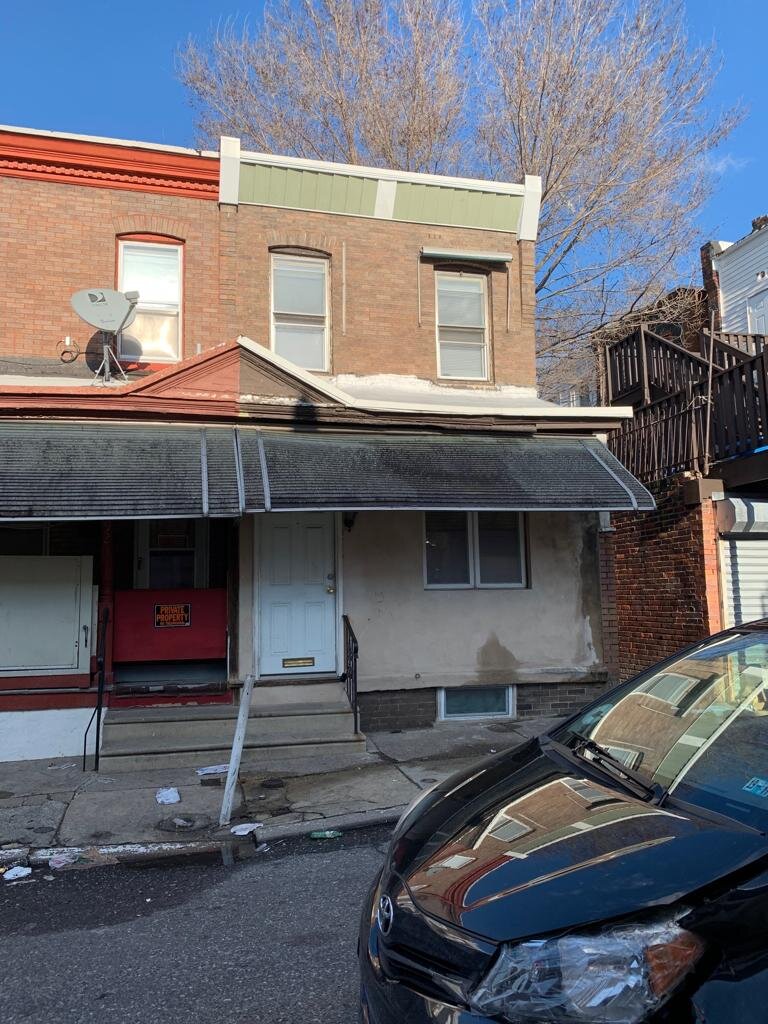
Selling a home while behind on payments requires a structured approach to avoid running out of time. Here is the sequence we recommend you follow:
Find Out Exactly How Much You Owe
The first step is to contact your mortgage company and request an official payoff statement. This document lays out the exact amount you need to pay off the loan in full and usually includes:
- Remaining principal balance
- Any stacked-up late fees
- Back interest
- Any legal costs the bank has added on so far.
Understand Whether You Have Positive or Negative Equity
Then, it helps to compare your total payoff amount to what your home can reasonably sell for in its current state. If your home’s value is higher than your payoff number, you have positive equity. If your debt exceeds the property’s value, you are “upside down” on the mortgage.
For a deeper breakdown of how local home values are calculated, read our Philadelphia property market value guide.
Check for Liens or Other Title Issues
After that, you need to check whether you have unpaid property taxes, city water bill balances, or local building code violations (such as License & Inspections violations in Philadelphia).
When you’ve been struggling with mortgage payments, other bills often pile up too, creating secondary liens that must be addressed to deliver a clear title to the buyer.
Review the Timeline and Condition of Your Home
Next, being realistic about your timeline and home condition matters a lot. If a foreclosure auction is a few weeks away, you don’t have time to spend months fixing up the property and waiting for a traditional buyer to get bank approval. Figuring out how much time you actually have left helps you choose the smartest way to sell.
Choose the Route That Fits Your Situation
Finally, you can compare your options, such as listing the property, negotiating a short sale, or selling quickly to a cash buyer. We will discuss each of the common options in detail in the next section.
Your Options for Selling a House When You’re Behind on Mortgage Payments
If you need to sell your house while owing past-due payments, you have a few practical paths to choose from. Take a look at the table below to know how each route works in practice:
| Selling Option | Average Timeline | Upfront Costs & Repairs | Fees & Commissions | Best Suited For |
| Real Estate Agent | 30 to 90+ Days | High (Requires repairs, cleaning, & staging) | ~6% Commission + Closing Costs | Houses in excellent shape with high equity and no tight deadlines. |
| For Sale By Owner (FSBO) | 60 to 90+ Days | Moderate to High (Self-funded repairs & marketing) | 0% Seller Commission (May pay buyer agent ~3%) | Homeowners with real estate experience and extra time. |
| Short Sale | 3 to 9 Months | Low (Sold as-is, subject to bank approval) | Paid by lender out of sale proceeds | Homeowners who owe more than the home’s market value. |
| As-Is Cash Buyer | Fast (Once title is clear) | $0 (No repairs, cleaning, or staging) | 0% (No commissions or hidden fees) | Homeowners facing tight foreclosure dates or needed repairs. |
Let’s now understand your options in more detail.
Option 1: Sell Through a Real Estate Agent
Hiring a real estate agent to list your property on the open market works well if:
- The house is in good shape
- You hold a healthy amount of equity
- Foreclosure isn’t knocking on your door yet.
This option gives you the best chance of getting full market value from everyday buyers.
That said, a traditional sale can take longer when the buyer needs financing, inspections, appraisal, or other contingencies. You’re usually looking at 30 to 90 days (or more) to find a buyer, wait on their mortgage approval, and clear home inspections.
On top of that, you’ll need to budget roughly 6% for agent commissions, closing fees, and keeping the house clean for constant walkthroughs.
Option 2: Sell the Property Yourself (FSBO)
Going the “For Sale By Owner” route lets you cut out the seller’s agent commission entirely, leaving you in total control of price negotiations.
The catch is that every single task falls directly on you:
- Marketing the property
- Showing the house to strangers
- Managing contracts
- Handling legal disclosures.
Unless you already have a pre-approved buyer ready to move forward, selling the property yourself can take time. If you are also facing a foreclosure deadline, managing the sale on your own can quickly become overwhelming.
Option 3: Request a Short Sale
When your home is worth less than what you owe, you can ask your bank to agree to a short sale.
If approved, the lender may allow the home to sell for less than the total amount owed. However, you should confirm in writing whether the lender will forgive any remaining balance or retain the right to pursue it later.
If the lender approves the short sale, you may not have to cover the difference at closing. However, the unpaid balance does not always disappear. You should get written confirmation that the lender will forgive the remaining amount and will not pursue you for it after the sale.
Also, it is worth noting that short sales require piles of financial paperwork, and the review process can easily drag on for 3 to 9 months with zero guarantee the bank will approve it.
Option 4: Sell As-Is to a Professional Home Buyer
If the house needs major work or you have a Sheriff Sale date coming soon, selling directly to a professional home buyer may offer a simpler option when time is limited or the property needs substantial repairs. You get to sell the home exactly as it sits today. Depending on the buyer’s offer, you may avoid agent commissions and some seller-paid closing expenses. You should review the written offer carefully so you understand every deduction before closing.
Since cash buyers don’t rely on bank mortgage approvals or appraisal checks, the whole deal can be completed in days, clearing your debt before foreclosure is final.
Should You Sell Your House or Wait If You’re Behind on Mortgage Payments?
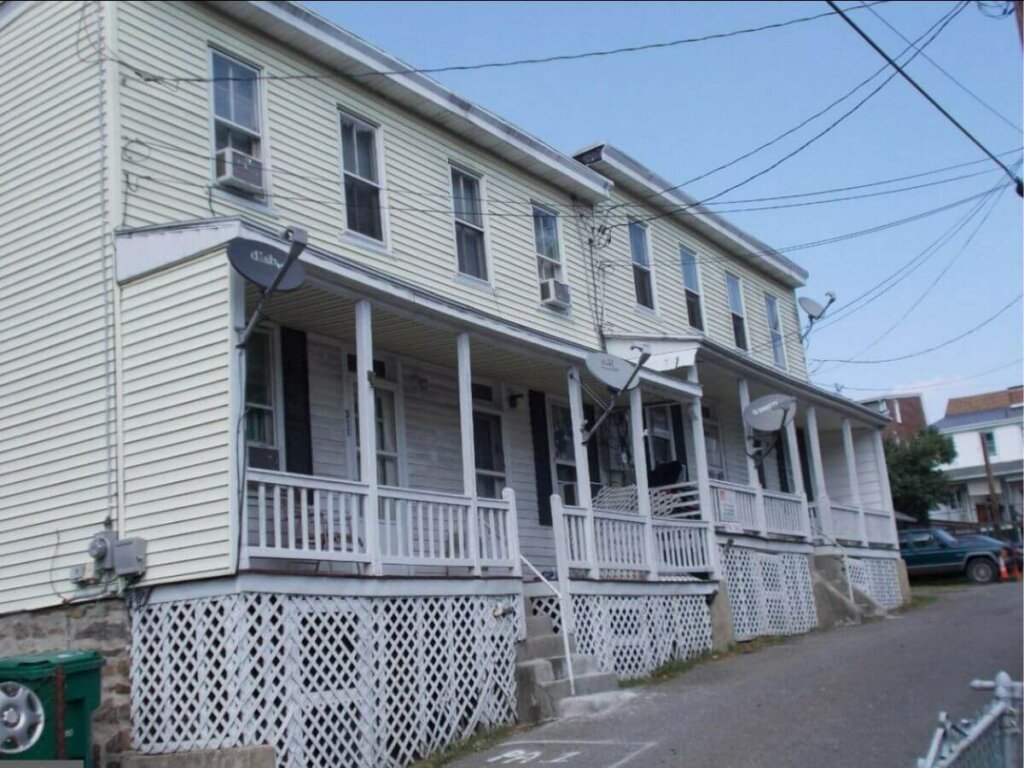
Ignoring missed payments can reduce your options as fees accumulate and foreclosure deadlines get closer. Here is a clear breakdown of how taking action now compares to waiting:
| Consideration | Selling Now | Waiting |
| Missed Mortgage Payments | Potentially resolved through sale proceeds at closing. | Continue accumulating month after month, making debt heavier. |
| Late Fees & Interest | Stops being an ongoing issue once the underlying debt is satisfied. | Continues to pile up, eating away at your remaining home equity. |
| Foreclosure Risk | A completed sale before the foreclosure deadline can pay off the loan and prevent the scheduled sale from proceeding. | Risk increases rapidly as the bank moves closer to a Sheriff Sale. |
| Home Equity | Can potentially be preserved and paid out to you in cash. | Gradually wiped out by mounting legal fees, bank penalties, and interest. |
| Control Over Outcome | Selling before foreclosure may give you more control over the buyer timing and move-out arrangements. | If foreclosure reaches a Sheriff Sale, the property can be sold at public auction, and the homeowner may eventually have to leave the property. |
Conclusion
Falling behind on your mortgage can be stressful, but you still have options. You still have rights and choices.
Whether you list your home, negotiate a short sale, or sell quickly as-is to beat a foreclosure deadline, taking action early is the best way to protect your financial future and move forward on your own terms.
If you are dealing with missed payments, property liens, or an upcoming Sheriff Sale in the Philadelphia area and need a hassle-free way out, We Buy Any Philly Home is here to help. We provide all-cash offers for homes sold as-is, with no agent commission charged. Review the offer and closing terms carefully before deciding whether the sale fits your situation.
Contact our local team today to review your options and get a fast cash offer.
FAQs
How Late Can I Be on My Mortgage Before Selling Becomes More Difficult?
The longer you wait, the fewer options you may have. Once foreclosure proceedings begin or a Sheriff Sale is scheduled, you need enough time to clear title issues, get a payoff amount, and close before the sale date. In most cases, acting earlier gives you more flexibility.
How Does an Upside Down Mortgage Sale Work?
An upside-down (or underwater) mortgage sale occurs when you owe more on your home loan than the property’s current market value. To sell, you either need to bring cash to closing to pay off the remaining balance or negotiate a short sale with your lender.
Can I Sell My House if I Owe More Than It’s Worth?
Yes, but you’ll need to have cash to cover the difference at closing or request a short sale. Most banks will want to see proof of genuine financial hardship, such as a job loss, sudden medical bills, or a divorce, to approve a short sale.
Do I Need to Make Repairs Before Selling if I’m Behind on Payments?
Traditional buyers usually want repairs, inspections, and a move-in-ready place, but you can sell completely “as-is” to a cash buyer instead. They’ll handle all the repairs and cleanouts after closing, saving you time and cash when money is tight.