
Holding onto an empty home can become expensive due to property taxes, utility bills, insurance, and maintenance costs, but selling an inherited property involves more than simply finding a buyer.
In Pennsylvania, the ability to sell a house depends on when the estate representative receives the legal authority to act on behalf of the estate. Understanding how probate affects the sale process can help you avoid delays and make informed decisions about the property.
In this guide, you’ll learn when an inherited house can be sold during probate, what legal authority is required, and which situations may delay or restrict a sale.
Key Takeaways
- You can usually sell an inherited house before probate fully closes in Pennsylvania, but only after the court names you as executor or administrator.
- The Register of Wills issues the proof you need: Letters Testamentary if there is a will, or Letters of Administration if there is not.
- Some homes skip probate entirely, like a jointly owned property, a home in a living trust, or a will that grants “power of sale.”
- A few situations block an early sale, such as a disputed title, debts larger than the home’s value, or a will that says do not sell.
- Probate in Pennsylvania usually runs 6 to 24 months, so selling midway can save your family months of holding costs.
Can You Sell a House Before Probate Is Completed in Pennsylvania?
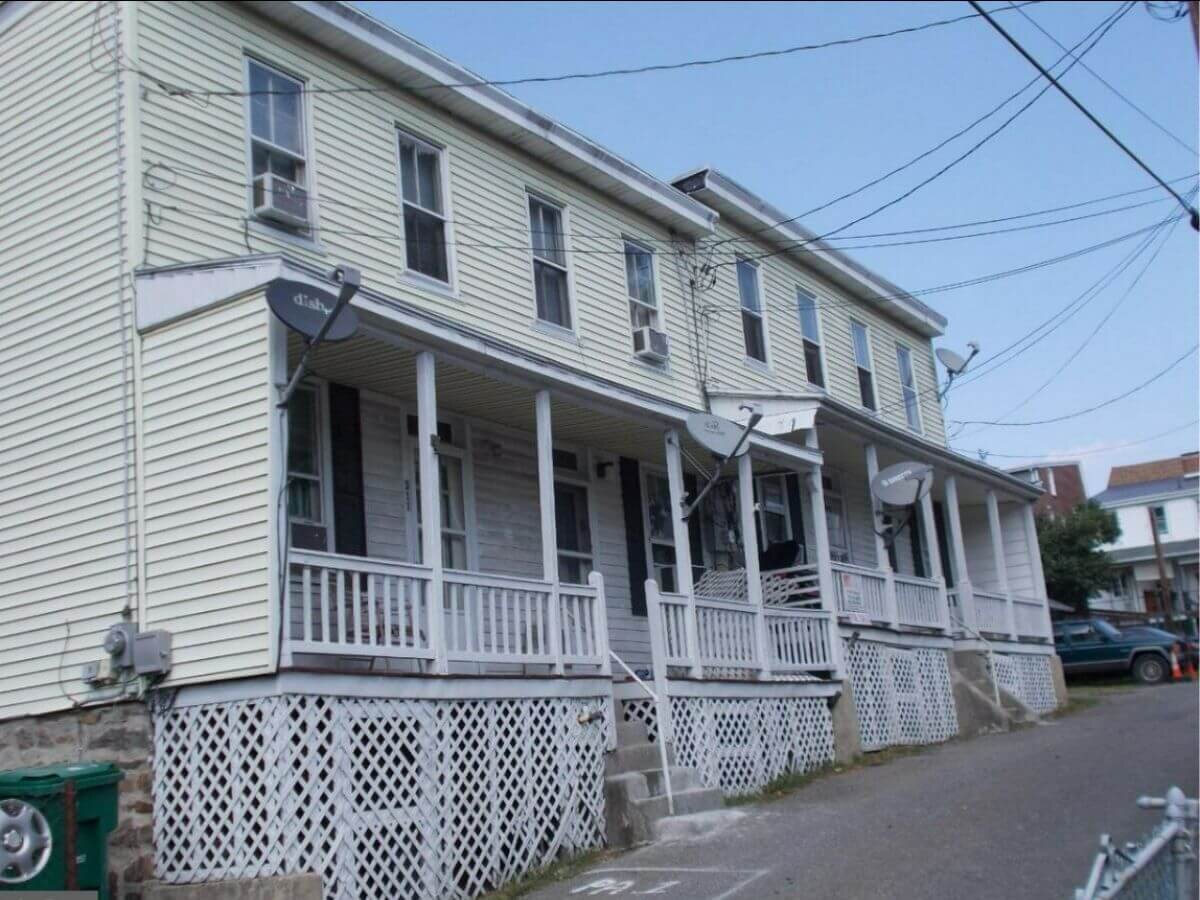
In many cases, you can sell an inherited house before probate is fully completed, but only after you have been legally appointed as the estate’s executor or administrator.
Legally, it is prohibited to market or sell an inherited property until the estate representative has been formally appointed by the Register of Wills. To get the legal right to make a selling decision about your house, your first move is to file the petition paperwork and pay the required fees at the county office.
Once you finish the petition work, the Register of Wills will officially name a person to handle the estate:
- An executor (if there is a will)
- An administrator (if there is no will).
After the county approves your application, they will hand you the official court papers, called Letters Testamentary or Letters of Administration. In plain English, these are simply the court’s stamp of approval. They are the documents that prove you have the legal right to act for the estate. You get Letters Testamentary when there is a will and Letters of Administration when there is not. Having those physical documents in your hands means you can finally sign a listing agreement, accept a buyer’s offer, and transfer the deed at closing.
Once the executor or administrator receives the necessary authority, the property can often be sold before the estate is fully settled.
Here is how that looks in real life.
When Imani (our client in Harrowgate) inherited her late father’s rowhome, she could not list it at first because the deed still showed her father as the owner. After the Register of Wills granted her Letters of Administration, she sent us a few photos and a short description of the home. We made a fair cash offer on the property in its current condition, and she sold it as-is while the slower court paperwork wrapped up in the background.
So, you are allowed to sell the home early and take care of the slower, long-term court duties later on, such as
- Running the required legal ads for unknown creditors
- Filing and paying the Pennsylvania inheritance tax
- Sorting out the final accounting and estate payouts
Why Probate Matters When Selling an Inherited Home
When someone passes away, their property is essentially locked. The county records still show the deceased person as the legal owner.
Probate is the legal process that establishes who has the authority to manage and transfer estate assets. It serves as a legal bridge, transferring ownership from the deceased to the rightful heirs or buyers.
Without probate, a title insurance company will refuse to clear the sale because there is no legal proof showing who has the right to sign the transfer papers.
Trying to sell the home without going through this step makes it impossible to give a clean title to a buyer.
How Long Does Probate Usually Take in Pennsylvania?
The total time it takes to sell your house in probate depends mostly on how complicated the deceased person’s assets are and how long it takes to settle their debts.
In Pennsylvania, the timeline generally breaks down into three ways:
| Estate Type | Expected Timeline |
| Simple Estates | 6 to 9 months |
| Average Cases | 9 to 12 months |
| Complex Estates | 1 to 2 years (or longer) |
Since full probate takes a significant amount of time, being able to sell the house midway through the process is a massive relief for families trying to avoid long-term holding costs.
When Can You Sell a House Before Probate in Pennsylvania?
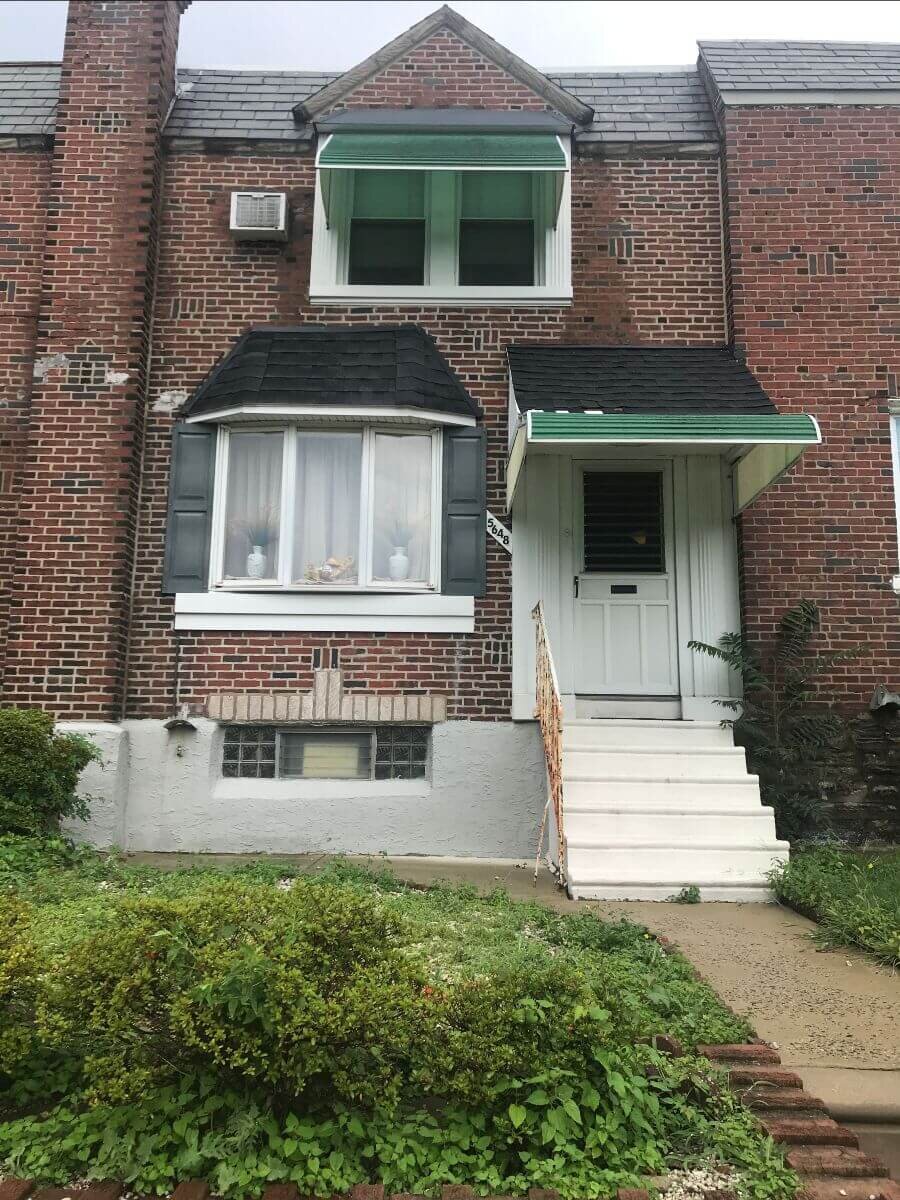
In some cases, you don’t have to deal with the standard probate process at all. Here are the most common situations in which you can bypass or shorten the probate process:
If the Property Was Jointly Owned
If the deed includes a surviving co-owner, such as a spouse, and is set up as a joint tenancy or tenancy by the entirety, you can completely skip probate for the property.
The property automatically passes straight to the surviving owner the moment the other person passes away. Because they now own the house outright, they can list it or sell it whenever they are ready, without needing any court permission.
If the Home Was Placed in a Living Trust
When a property is moved into a living trust before the owner passes away, it stays completely out of probate court. The successor trustee can generally manage and sell the property in accordance with the trust’s instructions without going through probate.
If the Will Grants a “Power of Sale”
If the will contains a specific clause granting the executor the “power of sale”, you won’t have to ask the court for permission before accepting an offer.
The executor can list the property and sign closing papers without waiting on extra administrative approvals.
When You Cannot Sell a House Before Probate is Completed
There are clear legal boundaries where you simply cannot sell the property without going through the complete, standard probate routine:
The Title is Disputed
If an old mortgage lien shows up, or if family members start fighting over who actually owns the property, the whole sale process is frozen until the court clears up the title.
Estate Debts Must Be Addressed
If the bills left behind total more than the house is worth, you can’t sell it on the open market. The court has to step in and dictate which creditors get paid first.
The Will Explicitly Says Not to Sell
If the owner left strict instructions that the home must stay in the family or go directly to a specific person, you can’t list it without a major legal battle.
The House has Major City Code or Safety Violations.
Severe code violations or title issues can complicate a sale and may require additional legal or municipal approvals before closing. You can’t list it on the market until you fix the physical hazards and the city signs off.
What Happens If You Try to Sell a House Before Probate Is Completed?
If you try to sell the property before you are legally authorized to do so, the deal will stall out almost immediately. The buyer’s title insurance company will run a routine title search, see that the deed is still in the deceased person’s name, and put an immediate stop to the closing.
Such actions can delay the transaction and increase the risk of buyers withdrawing from the sale. Other than that, signing a contract for a property you do not legally control can expose you to serious legal trouble for breach of contract or misrepresentation.
What Are Your Options If You Need to Sell an Inherited House Quickly?
If the property is draining the estate’s finances and you need to sell the house fast, you generally have three real options once your legal letters are granted:
| Option | How fast | Repairs needed | Fees | Best for |
| Cash home buyer | Close once the title is cleared | None, sold as-is | No agent commissions | Homes that need work, or families who want fast relief |
| List below market value | Often a few weeks | Usually some cleanup first | Around 6% commission plus closing costs | Owners with a little time and a presentable home |
| Sell to a family member | Depends on their financing | Usually none | Minimal | Heirs who already want to keep the home |
- Sell it Directly to a Cash Home Buyer: Selling to a cash buyer is often one of the fastest options because financing and repair contingencies are typically reduced. Cash investors buy the property completely “as-is,” meaning you don’t have to spend money on repairs, renovations, or clearing out years of accumulated belongings.
- List it Below Market Value for a Quick Sale. If you want to use a real estate agent but need to move fast, you can price the house slightly lower than everything else in the neighborhood. This strategy usually grabs a lot of attention right away, brings in fast offers, and gets the property off your hands in a couple of weeks.
- Sell it Directly to a Family Member. If an heir or relative wants the home and has financing or cash lined up, you can sell it directly to them. This cuts out the entire process of marketing and waiting for outside buyers to tour the house.
Conclusion
In many Pennsylvania estates, an inherited home can be sold before probate is fully completed, provided the executor or administrator has received the necessary legal authority.
Getting your Letters Testamentary or Letters of Administration first ensures the sale is completely legal and keeps the closing on track.
If managing the estate’s finances during the waiting period feels like too much extra stress, you don’t have to deal with the hassles of the traditional market. As soon as those court letters are in hand, you can sell the property directly to us at We Buy Any Philly Home for cash, completely as-is.
FAQs
Can a buyer back out of a home purchase while probate is still pending?
A buyer can back out if the contract includes a standard clause that makes the sale contingent on probate clearance or court approval. If the court process stalls or an unexpected title issue shows up, buyers often use those delays to cancel the contract and get their deposit back.
What happens if probate takes longer than expected?
Delays caused by disputes, title issues, or missing documentation can increase ongoing costs, including taxes, insurance, utilities, and maintenance. The estate has to use whatever cash it has to pay the mortgage, taxes, utilities, and insurance until the court finally gives the clearance to sell.
Can an inherited property be sold if one heir disagrees with the sale?
It depends on the language in the will. If the will gives the executor explicit “power of sale,” they can typically proceed with the sale despite an heir’s objections. Without clear authority to proceed, disagreements between heirs may delay the sale until the matter is resolved through negotiation or court involvement.
Do you need a lawyer to sell a house in probate in Pennsylvania?
You are not legally required to hire one, but many families do. A Pennsylvania estate attorney can help you file the petition, handle creditor notices, and sort out the inheritance tax. For a simple estate with a clear will, some executors manage the paperwork on their own. For anything with disputes, liens, or unclear ownership, legal help usually saves time and stress.
Who pays the Pennsylvania inheritance tax when you sell an inherited house?
The estate is responsible for the Pennsylvania inheritance tax, and the rate depends on your relationship to the person who passed away. A surviving spouse pays 0%. Children and grandchildren generally pay 4.5%. Siblings pay 12%, and most other heirs pay 15%. Selling the house early does not erase this tax, so it is wise to plan for it during the estate’s final accounting.