
You can sell your house while in bankruptcy in Philadelphia, but you cannot sell it the standard way on your own. Read on to learn the details.
This guide explains how the process works under Chapter 7 liquidation or a Chapter 13 repayment plan, what the bankruptcy court looks for, and the exact steps to sell your house safely under Pennsylvania law.
Disclaimer: This article is for general educational purposes only and is not legal advice. Please speak with your bankruptcy attorney before accepting an offer, signing a contract, transferring your property, or using any money from a sale.
What Are Chapter 7 and Chapter 13 Bankruptcy, and How Do They Affect a Home Sale?
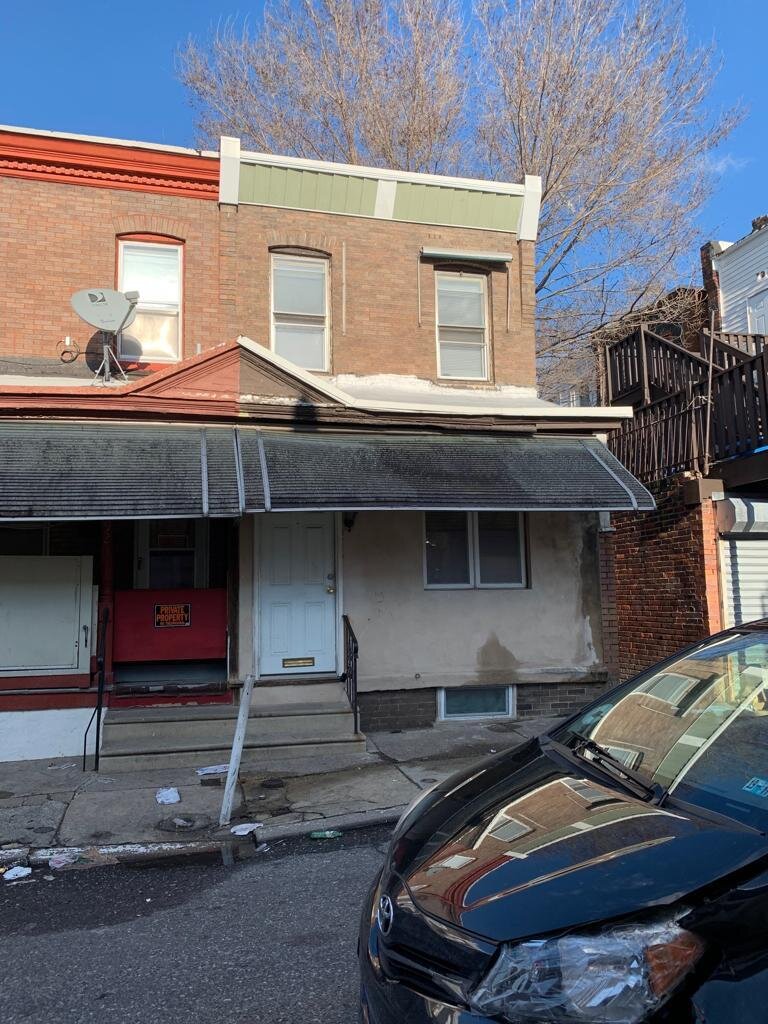
How a sale works depends on the type of bankruptcy you file. Chapter 7 is designed to quickly wipe out qualifying debt by selling nonexempt assets.
Chapter 13 lets you keep your property while paying off your debt through a 3- to 5-year court-approved repayment plan.
Here is a simple look at how a home sale compares between the two:
| Factor | Chapter 7 | Chapter 13 |
| Main purpose | Liquidation and discharge of qualifying debts | Court-approved repayment plan |
| Typical case structure | The trustee oversees nonexempt assets. | Homeowners generally retain property while following a repayment plan. |
| Authority over a sale | Trustee and court involvement may be required. | A motion and court approval are commonly required |
| Effect of equity | Nonexempt equity may become available to creditors. | Nonexempt equity may affect the repayment plan. |
| Sale proceeds | Distributed according to bankruptcy rules. | May pay secured debts or be applied to the plan. |
Selling a House During Chapter 7 Bankruptcy in Philadelphia
In Chapter 7, the trustee checks whether selling your home will bring in enough cash to pay off your debts.
If your home has no equity or if your equity is fully protected by bankruptcy exemption laws, the trustee will usually step back and abandon the property. Once that happens, your attorney can ask the judge for permission to sell the house yourself.
On the other hand, if your home has significant non-exempt equity, the Chapter 7 trustee may handle the sale directly. In that case, the trustee:
- Sells the property
- Pays off your mortgage
- Gives you your protected equity share
- Uses whatever is left to pay your creditors.
Selling a House During Chapter 13 Bankruptcy in Philadelphia
With Chapter 13, you generally get to keep your home while working through a 3-to-5-year repayment plan. Selling this way is actually pretty common, especially if your financial situation shifts, your monthly payments become tough to manage, or you simply want to cash out equity to clear your court plan early.
The process is fairly straightforward. Your bankruptcy lawyer will submit a document called a Motion to Sell Real Estate to the court. This document simply outlines the basic details:
- Your buyer’s offer
- Expected closing costs
- Where every dollar from the sale will go.
The court will consider the proposed sale under the rules that apply to your bankruptcy case. Your attorney can explain the required filings and how the proposed use of the sale proceeds may affect approval.
Can I Sell My House If I’m in Bankruptcy in Philadelphia?
Yes, selling may be possible, but the required process depends on your bankruptcy chapter and whether the home remains property of the bankruptcy estate. Your bankruptcy attorney can determine what court approval or trustee involvement your case requires.
When you file for bankruptcy in Pennsylvania, your home generally becomes part of what the court calls a “bankruptcy estate.” This simply means you do not have the legal right to sell or transfer the house by yourself anymore.
Trying to transfer estate property without the authority required in your case can create serious problems. The transaction may not be permitted to proceed and could affect your bankruptcy case. Doing so can also cause the court to dismiss your bankruptcy case or take away your debt relief in serious cases.
However, as long as you work with your attorney and get proper court approval, selling a home during bankruptcy is a standard and legal process.
What Happens to Your Philadelphia Home When You File for Bankruptcy?
Filing for bankruptcy instantly changes how your property is handled legally. While it generally gives you immediate protection from creditors, it also brings your property under the supervision of the bankruptcy court.
Here is how that impacts your home:
Your House May Become Part of the Bankruptcy Estate
Think of the bankruptcy estate as a temporary legal holding space for your legal and equitable interests in property, including your primary residence or any local Philly rentals.
The court appoints a trustee to oversee this setup, review your overall finances, and make sure everything is handled fairly for everyone involved.
The Automatic Stay May Temporarily Pause Foreclosure
One massive relief when you file for bankruptcy is the “automatic stay.” It usually kicks in the exact second your petition is accepted by the court.
This rule legally blocks many collection activities, including certain calls, lawsuits, foreclosure proceedings, and upcoming Philadelphia sheriff sales. It gives you and your attorney time to plan your next move.
However, exceptions apply, and a lender may ask the court to lift the stay.
Home Equity Can Affect What Happens Next
What happens to your home depends mostly on how much equity you have. Equity is what your house is worth today minus what you still owe on mortgages, tax liens, or city bills.
If you have little to no equity, the court trustee may decide the house has no value for your creditors and leave it to you. But if you have a lot of equity beyond what state or federal laws let you protect, that cash value could be used to pay off some of your debts.
If you want to read more about how federal bankruptcy works across the country, you can check out the official U.S. Courts Bankruptcy Basics Guide for a helpful overview.
How to Sell a House During Bankruptcy in PA
Once you decide to move forward with a sale in either Chapter 7 or Chapter 13, it helps to follow a set legal workflow to ensure the transaction is valid under court rules:
- Speak With Your Bankruptcy Attorney
Before you list the house, sign an agreement, or accept a deposit, you should talk to your lawyer first. They will make sure selling fits your bankruptcy goals.
- Collect Basic Property and Bankruptcy Information
From there, start pulling together the paperwork that includes mortgage statements, property tax bills, any water or gas lien details, plus a short rundown of the home’s condition.
- Request a Fair, No-Obligation Cash Offer
Then, you can get a written offer or sales agreement. Cash offers tend to work better in bankruptcy situations since there’s no bank loan to wait on, no appraisal to worry about, and no repair demands that could hold things up.
- Review the Offer With Your Attorney
Once you have an offer, bring it back to your attorney. They’ll look it over to make sure the price is reasonable given the home’s condition and that everything in the contract holds up to court standards.
- Obtain All Required Trustee or Court Approval
After your lawyer files the paperwork, the trustee and creditors get a brief window to weigh in. Assuming nothing comes up, the judge signs off on the sale, and you can move forward.
- Clear the Title and Close on Schedule
Finally, the title company takes over at this point, using the court order to guide settlement. They pay off your mortgage lender, clear any back taxes or city utility bills, cover the approved closing costs, and send whatever money is left over to wherever the judge specified.
What Happens to the Money After the House Is Sold in Bankruptcy?
You will not walk away from the closing table with a check in hand like a traditional sale.
First, your primary mortgage and any other secured debts like home equity loans or local Philly tax and utility liens are cleared in full. After that, standard closing costs, transfer taxes, and court-approved fees are covered.
Then, if your home equity is protected by an exemption, that cash goes straight to you. Any remaining funds beyond your exemption amount are transferred to the bankruptcy trustee to pay down your debts or wrap up your Chapter 13 plan early.
Why an All-Cash Sale May Help During Bankruptcy
Trying to sell through a traditional real estate setup while navigating bankruptcy can be tough. Traditional retail buyers usually need bank financing and formal appraisals. If their loan falls through at the last minute or the appraisal comes back lower than expected, the whole court-approved agreement falls apart, leaving your lawyer to start the entire motion process over from scratch.
Working with a cash buyer takes a lot of stress off your shoulders. You get to sell the house as-is, meaning zero out-of-pocket money spent on repairs or cleaning. Because there is no mortgage company involved, you also skip appraisal delays and loan headaches that usually slow things down.
Best of all, a plain, simple cash offer gives your attorney a clean contract to hand the judge, making court approval much faster and easier.
That is where We Buy Any Philly Home come in. Operating right there in Philadelphia, we offer a straightforward cash option to help you and your attorney keep the sale moving without unnecessary buyer-financing delays.
Mistakes to Avoid When Selling a House in Bankruptcy
To keep your bankruptcy case moving forward without unexpected hitches, we suggest avoiding these mistakes along the way:
- Signing an Agent Listing Without Talking to Your Lawyer
Putting your home on the market or signing representation contracts before consulting your attorney can create messy legal conflicts with the court. Also, take a quick look at 4 common mistakes when listing with an agent in Philadelphia so you don’t get locked into the wrong deal.
- Taking Cash Deposits Directly
Every dollar linked to the sale has to be documented and routed through an approved escrow account. If you take direct cash from a buyer, you may face serious legal consequences.
- Selling to Family or Friends Below Market Value
Selling a house to a relative for less than it’s worth, especially right around a bankruptcy filing, is the kind of move that gets noticed. Courts tend to view it with suspicion, and in some cases, it’s treated outright as fraud.
Conclusion
Selling a home during bankruptcy in Philadelphia takes some legal coordination, but it is a straightforward way to clear debt, protect your equity, and get a fresh start. When you follow the court’s process and choose a buyer who understands how bankruptcy sales work, you can complete the sale without unnecessary delays.
If you are navigating Chapter 7 or Chapter 13 and want a simple cash offer for your Philly home, We Buy Any Philly Home is here to help. Get in touch with us today, and with your permission, we can coordinate directly with your lawyer to make the entire sale as smooth and stress-free as possible.
FAQs
Can I sell my Philadelphia house while my bankruptcy case is still open?
Yes, you may be able to sell your Philadelphia home while your bankruptcy case remains open. The required process depends on your bankruptcy chapter and whether the property remains part of the bankruptcy estate. Your bankruptcy attorney will need to file a Motion to Sell on your behalf, and once the judge and trustee sign off on the terms, you’re free to proceed with the sale.
What Does It Mean to Surrender a House in Bankruptcy?
Surrendering a house means choosing to give up the property rather than continue paying the mortgage. The home is returned to the lender or handled through the bankruptcy court, which then sells it or moves forward with foreclosure. Once this process is complete, you’re no longer responsible for the remaining mortgage debt.
How Does a Bankruptcy Exemption Protect Your Home in Pennsylvania?
A bankruptcy exemption acts as a legal shield for your home equity. Since Pennsylvania state law offers virtually no homestead protection for single homeowners, PA filers use the federal bankruptcy exemptions instead.