
Deciding whether to sell a rental property usually comes down to one core question: do you sell while the tenant is still living in the house or wait until they move out?
Every landlord’s situation is different. What works smoothly for a property owner having a reliable long-term occupant may not make sense for someone dealing with missed rental payments or whose property needs work.
At We Buy Any Philly Home, we have 10 years of experience buying residential properties across Philadelphia and have seen firsthand how these two selling routes play out on the ground.
In this guide, we’ll compare occupied versus vacant sales across Philly so you can choose the right strategy for your timeline and budget.
Should You Sell a Philadelphia Rental House With a Tenant in Place or Vacant?
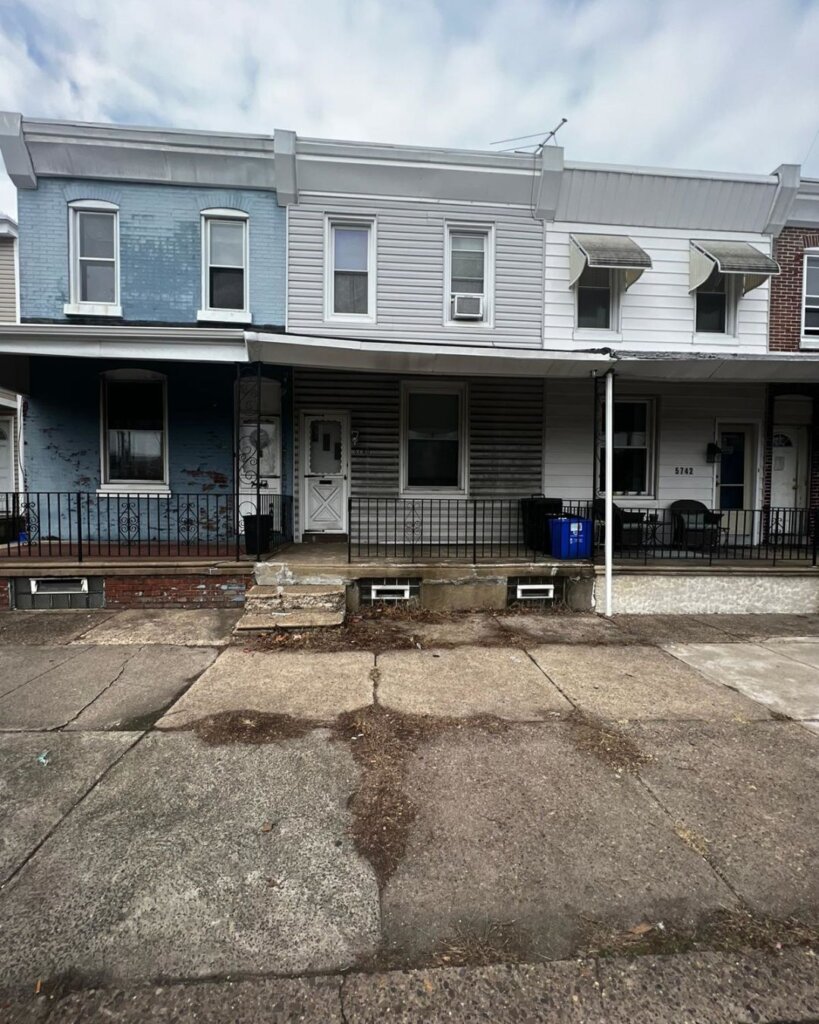
It depends upon what you value most in the moment. Selling with a tenant in place means you continue to collect rent and have no disruption to the monthly cash flow, but selling vacant means you have total control over access to the property, repairs, staging and marketing to the typical homebuyer.
If your tenant pays consistently on time and keeps the property in excellent shape, selling it occupied is usually the easiest path. If the occupant is uncooperative or the property needs serious work to fetch top dollar on the open market, waiting for vacancy may offer more flexibility.
Can You Sell a House With a Tenant in Place in Philadelphia?
You can sell a rental property in Philadelphia even if the tenant still has time left on their lease. However, the sale must still respect the tenant’s existing rights and any legal limitations that apply to the property.
Under Section 104 of the Pennsylvania Landlord and Tenant Act, a buyer who acquires the property takes on the same rights and duties related to the property as the previous owner. In practice, an existing tenancy generally continues subject to the lease terms and applicable law.
Philly also has a couple of local rules you should know about. Philadelphia’s Good Cause protections can restrict when a landlord may end or decline to renew certain shorter-term residential tenancies. You need a qualifying reason and proper notice when you want to terminate or not renew the tenancy.
And if you run into any serious disputes over lease terms before closing, the city expects landlords to attempt resolving it through the Eviction Diversion Program before heading to court.
Vacant Selling vs. Selling With Tenants in Place: Which Is Better?
Here is a side-by-side look at how selling a house with tenants in place compares with selling it vacant when you break down the actual logistics:
| Key Difference | Selling With a Tenant | Selling Vacant |
| Monthly Rent | Keeps coming in through closing | Stops the day the tenant moves out |
| Who Will Buy It | Mostly real estate investors & landlords | Everyday buyers, families, AND investors |
| Active Lease | Transfers directly to the new owner | None—the buyer gets immediate possession |
| Traditional Sale Access | May require coordinating showings, appraisals, or other buyer access with the tenant | Easy to show anytime with a lockbox |
| Fixes & Staging | Tricky to clean or repair around someone’s stuff | Easy to repaint, fix up, and stage cleanly |
| Monthly Bills | Rental income may help offset ongoing ownership costs | You pay taxes, utilities, and mortgage out-of-pocket |
| Selling Timeline | Sell right away without waiting out a contract | May have to wait months for the lease to end |
| Ideal Situation | Good tenant who pays on time, selling to an investor | The house needs work, or it’s targeting standard homebuyers |
Benefits of Selling a House With a Tenant in Place
Deciding to list or sell while an occupant is still living inside offers a few distinct operational advantages.
Rental Income Can Continue While You Sell
The biggest perk here is financial continuity. If the tenant continues paying as agreed, rental income can continue while the property is being sold.
That rental income may help offset mortgage payments, property taxes, insurance, and other holding costs while you wait for the sale to close.
An Existing Tenant May Appeal to Rental Property Buyers
If your tenant pays on time and respects the lease, that active tenancy can become a genuine selling feature for real estate investors.
Some rental property buyers prefer a home with a reliable tenant already in place because they do not need to find a new renter immediately after closing.
You May Not Have to Wait for the Lease to End
Waiting for an active lease to expire can stall your financial plans for months. If you have 8 months left on a fixed-term contract, selling with the tenant in place lets you sell now rather than put your next investment on hold.
If timing is your top priority, reviewing our guide on how to sell your home quickly in Philadelphia can help you evaluate the fastest options available.
You Can Avoid a Period of Vacancy
Leaving a property empty in Philadelphia comes with risks that many sellers don’t consider until it’s too late.
Beyond the obvious loss of monthly rent, an empty home often means you’re covering utility bills out of pocket, dealing with different insurance requirements, and facing a higher chance of vandalism, break-ins, or squatters.
A reliable tenant keeps the house safe and lived-in without adding anything extra to your to-do list.
The Potential Downsides of Selling With a Tenant in Place
Keeping rent coming in sounds great on paper, but occupied sales may bring some challenges:
Your Buyer Pool May Be More Limited
Most everyday buyers finance their purchase with a regular mortgage, and those loans typically require them to move into the home within 60 days of closing.
If your tenant still has months left on their lease, those buyers simply can’t purchase your house.
Since your remaining audience consists almost entirely of cash buyers and investors, understanding the differences between selling to an investor and listing with a traditional agent can help you choose the right sales path.
Showings and Property Access Can Require More Coordination
You may not be able to host flexible weekend open houses or allow real estate agents to come in with short notice.
You need to provide formal notice (typically 24 to 48 hours) to tenants for every walkthrough, inspection, and bank appraisal. If an occupant is annoyed by the disruption, scheduling can become very difficult.
The Existing Lease Can Affect a Buyer’s Plans
If your current tenant pays well below current market rates or holds a long-term contract that restricts rent increases, prospective buyers may factor that lower return into their offers. That means a low rent roll can directly impact how much an investor is willing to pay for the house today.
Benefits of Selling a Rental House Vacant
Waiting until the house is completely empty opens up an entirely different set of selling advantages.
You Have More Control Over How the Property Is Presented
An empty house gives you total control over its appearance. You don’t have to worry about messy rooms or tenant belongings cluttering up pictures.
You can deep-clean the floors, touch up scuffed paint, clear out lingering odors, and stage the space so it looks spacious and inviting for buyers.
It May Be Easier to Complete Pre-Sale Work
If the home needs updates before you put it on the market, contractors, painters, and floor crews can come and go without stepping around someone else’s furniture or daily routines. When workers have unrestricted access, they can complete repairs significantly faster.
You Can Market the Property Based on Its Full Potential
A vacant property usually appeals to everyone. You can market the home to standard families, first-time homebuyers, and real estate agents alike. Expanding your buyer pool adds more competition and may give you a stronger offer on the open market.
If you decide to go the traditional route, we suggest keeping an eye out for these common mistakes when listing with an agent so you aren’t surprised by unexpected fees or delayed timelines.
The Potential Downsides of Waiting Until the Rental Is Vacant
Emptying the house before selling has some downsides as well:
Holding Costs Continue
The moment the tenant hands over the keys, rental income drops to zero. However, your monthly carrying costs do not stop. You are stuck paying the mortgage, real estate taxes, insurance, and basic utilities entirely out of pocket until a deal officially closes.
An Empty Property Still Needs Attention
Vacant homes require regular hands-on management. You may need to keep up with yard care, handle sidewalk snow removal during Philly winters, and conduct routine checks to ensure that no pipes have leaked and that no one has tampered with the property while it sits on the market.
How to Decide Whether to Sell Occupied or Vacant
If you’re weighing the pros and cons and still feel stuck, running your situation through this quick checklist can help point you towards the right decision:
Selling With a Tenant in Place May Make More Sense When:
- Your tenant pays rent on time every month and is cooperative.
- There are still several months or more remaining on the active lease agreement.
- Your ideal buyer is another landlord, rental property investor, or cash home buyer.
- Waiting for the lease to naturally expire would stall your plans for too long.
- The property is already in solid shape and doesn’t need much work before it hits the market.
Selling Vacant May Make More Sense When:
- The current lease is set to end within the next 30 to 60 days.
- You plan to complete major renovations before listing the property to traditional buyers.
- You’ve got enough cash reserves to comfortably cover the mortgage and taxes while the house sits empty.
Conclusion
Deciding to sell with or without a tenant comes down to balancing monthly rent against property control. It helps to take a realistic look at your tenant’s payment habits, the home’s condition, and your financial goals to quickly highlight the right strategy.
If you want to avoid managing tenant showings or carrying monthly expenses on an empty building, We Buy Any Philly Home makes it easy. We buy properties across Philadelphia in as-is condition. Get in touch with us today to receive your cash offer.
FAQs
Can I Sell a House With an Active Lease in Philadelphia?
Yes. Generally, a Philadelphia property can be sold with an active lease in place. Pennsylvania law provides that the existing lease remains intact, and automatically transfers to the buyer at settlement.They simply step in as the new landlord.
Does Selling a House with Tenants in Philadelphia Affect the Security Deposit?
At closing, the original security deposit, along with any interest owed under the law, has to be either credited to the buyer or transferred over to their account, with complete payment records alongside it.
What Documents Should I Prepare to Sell a Rental House With Tenants?
You’ll want to pull together the signed lease agreement, rent payment history ledgers, tenant contact information, security deposit records, and copies of any official notices or open maintenance requests.