
Yes, you can sell a house with an unpaid water bill in Philadelphia, but the outstanding balance or lien generally needs to be addressed as part of the sale.
According to official City of Philadelphia payoff guidance, a completed water payoff request form should be emailed to the city at least 30 days before settlement to get an official payoff amount.
You may not need to pay the balance out of pocket before closing. If the sale produces enough proceeds, the required water payoff can often be handled as part of settlement.
Below, we will explain how Philadelphia water debt can affect your sale, how the payoff process works, and what you can do to keep the transaction moving.
How Philadelphia Handles Water Liens During a Property Sale
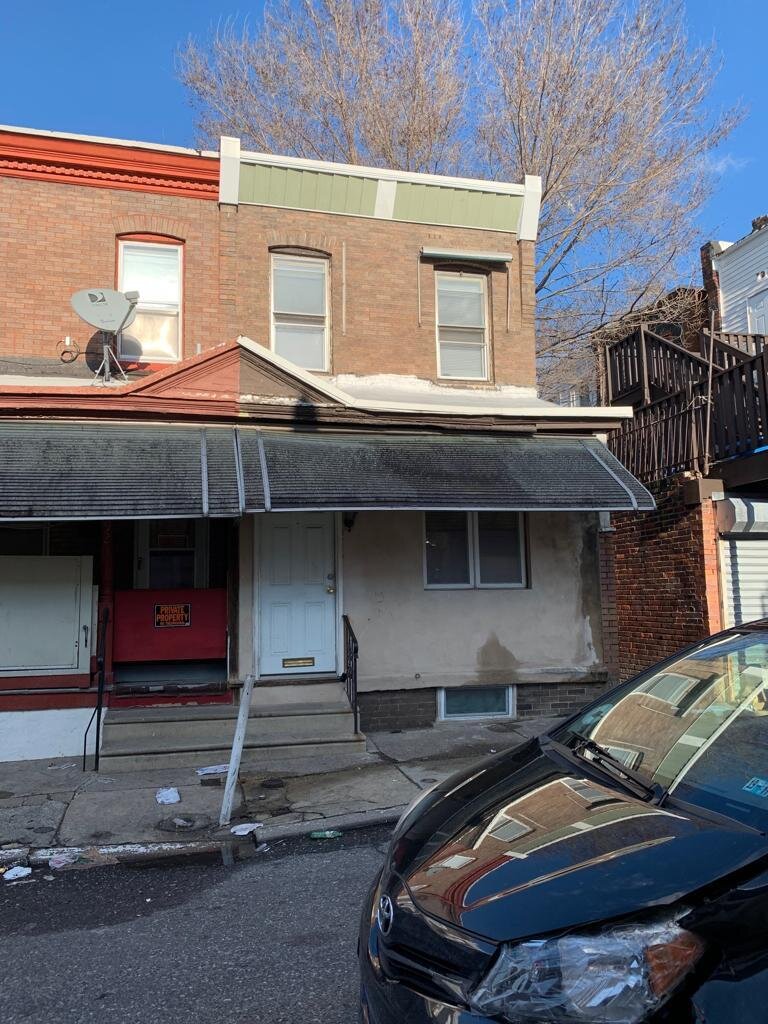
Having utility debt or an active municipal lien on the property does not necessarily prevent you from listing the home or completing a sale.
However, you cannot ignore the balance. Delinquent water and wastewater charges can result in a lien against the property. If that lien remains unresolved, the City warns that the new owner may become responsible for the debt.
That means the debt or lien generally needs to be resolved at or before settlement so that the buyer receives an insurable title free of the old water lien.
In many traditional and cash home sales, the title company can use the proceeds from the sale to pay off the water balance at closing and help you finalize the transaction without bringing extra cash out of pocket, as long as the proceeds are sufficient.
How Does an Unpaid Water Bill Affect a Home Sale?
Understanding how utility debts affect real estate transfers helps you avoid delays on settlement day. Here is how an unpaid water balance may impact the closing process:
It Can Appear During the Title Search
During a typical Philadelphia home sale, a title company performs a title search to identify liens and other claims that could affect the transfer. If delinquent water bill charges have resulted in a recorded lien or judgment, it can appear during this review. A water settlement request does not replace the title company’s lien search.
The Debt May Reduce the Seller’s Net Proceeds
In most transactions, you do not need to pay cash upfront to pay the bill. Instead, the title company may deduct the official payoff amount directly from the proceeds of the sale at the settlement table before handing you your final check, reducing the cash amount you take home.
A Large Balance Can Complicate the Transaction
If the water balance has been accruing for years, or if it is combined with back property taxes or mortgage arrears, the total debt might exceed the home’s sale price.
If the total required payoffs exceed the available sale proceeds, the transaction becomes more complicated. The seller may need to bring additional funds or work with the relevant creditors and professionals to determine what options are available before closing.
If your water debt is bundled with tax delinquencies, you can read our complete guide on what happens when you don’t pay property taxes in Philadelphia to understand how municipal enforcement works.
How to Check for a Water Bill Lien on a House in Philadelphia
Checking for filed water liens and active account balances is straightforward if you follow these steps:
Search by the Property Address or Water Account Number
You can check for municipal water liens using the City’s official Water Revenue lien search website. Entering the exact property address or water account number shows available water-lien information for the property.
Review the Lien Status, Balance, and Docket Number
You need to take a close look at the search results. The city’s search can display details such as lien status, docket information, and the remaining balance shown in its records.
Request an Official Water Payoff
Once you confirm a balance exists, complete the City’s fillable Water Payoff Request Form and email it to wateramountdue@phila.gov at least 30 days before settlement.
Obtaining this official document gives you a current payoff figure to work with when calculating your net proceeds.
How to Sell a Philadelphia House With Water Bill Debt
At We Buy Any Philly Home, we have worked with many Philadelphia homeowners dealing with municipal liens, unpaid bills, and other title complications. Here is how the process generally works when you are ready to sell:
Check the Water Account and Lien Records
Start by pulling up the property’s utility history. Knowing whether you are dealing with a standard past-due bill of a few hundred dollars or a docketed court lien worth thousands allows you to plan your sale accurately.
Review the House’s Other Debts
Next, you need to consider that the water balance may not be the only debt attached to the property. So, take stock of other potential encumbrances, such as:
- Back property taxes
- Municipal claims
- Judgments
- Outstanding mortgages
This way, you have a complete picture of your total obligations.
Request a Fair, No-Obligation Cash Offer
From there, if you prefer not to manage repairs, public showings, or out-of-pocket utility payoffs, it helps to reach out to a reputable direct home buyer. A direct cash offer gives you a purchase figure based on the home’s current as-is condition and the property information you provide.
Compare the Offer With the Total Payoffs
Then, subtract your total water debt and any other property liens from the offer amount. This calculation gives you a useful estimate of what may remain after closing.
Your final proceeds may also be affected by taxes, prorations, and other approved charges shown on the settlement statement.
Let the Title Company Confirm the Water Payoff
Once under contract, the title company requests the official payoff from the City of Philadelphia. This step ensures the relevant outstanding balance, liens, judgments, and applicable charges are included in the closing calculations.
Review the Settlement Statement Before Signing
Before signing your closing paperwork, review the settlement statement or closing disclosure, when applicable. Verify that the line item for the water payoff matches the city’s official payoff document and that the debt is being deducted directly from the sale proceeds.
Close After the Title Requirements Are Satisfied
Finally, at settlement, the title company can send the required payment directly to the city to clear the account or lien.
Once the title company has addressed the required payoff and all other title conditions, it can transfer the deed to the buyer, and you will receive your remaining cash.
Can Water Bill Debt Lead to a Philadelphia Sheriff Sale?
Yes, it can, if the debt is severe and has gone unpaid for a long time. That said, such an event doesn’t happen overnight.
When water charges go unpaid for an extended period, the City of Philadelphia can file a legal lien against the property. If that lien remains unresolved, the city may take further legal action to collect what’s owed.
According to the Office of the Philadelphia Sheriff, a property can end up at a Tax Sheriff Sale when the owner doesn’t resolve or arrange payment for municipal debt, which includes unpaid water and sewer bills.
If you’ve received legal notices or a sale date has already been set, it’s important to reach out to a housing counselor or legal expert as soon as possible. Selling your home before the auction gives you the chance to pay off the lien directly and keep whatever equity remains in cash.
If a Sheriff Sale is already scheduled, getting legal or housing-counseling help early can give you more time to understand your options before the sale takes place.
Mistakes to Avoid When Selling a House With Water Bill Debt
Selling a home with municipal debt attached isn’t as complicated as it might seem if you avoid these common traps:
- Waiting Until Settlement Week to Request a Payoff
The city instructs sellers and title companies to submit payoff requests at least 30 days before settlement. Waiting until a few days before closing can cause unexpected settlement delays.
- Ignoring Unbilled Water Usage or Final Meter Readings
Clearing an old balance is vital, but meter problems can also delay a payoff. The city instructs owners to call if the property has an estimating or non-compliant meter.
- Trying to Hide the Debt From the Title Company
Do not hide unpaid bills from the title company because recorded water liens or judgments may be discovered during the title search.
- Failing to Verify if the Debt Is From a Past Tenant
Property owners often assume water debt belongs solely to whoever lived in the home. In Philadelphia, unpaid water charges can result in liens attached to the property, even when a tenant was responsible for the account.
If a tenant left unpaid water charges that resulted in an outstanding property lien, you may need to address that lien as part of the sale.
Conclusion
Dealing with an unpaid water bill or a municipal lien can make selling your home feel like a challenge, but it doesn’t have to hold up your plans. Once you understand how municipal debt works in Philadelphia, you’re in a much better position to address title issues and understand how the outstanding balance may affect your sale proceeds.
If you are dealing with past-due water bills, back taxes, or probate complications in the Philadelphia area and want a smooth, stress-free way out, We Buy Any Philly Home is here to help. We buy houses as-is for cash, coordinate with the title company as it confirms and handles the required municipal payoffs, and help you understand what may remain after the listed deductions.
Reach out to our team today for a straightforward, no-obligation cash offer.
Frequently Asked Questions
Do I Have to Clear a Water Lien Before Closing in Philadelphia?
An outstanding water lien generally must be resolved for the buyer to receive clear, insurable title. In many sales, you do not need to pay it out of pocket beforehand; the title company can pay the required amount from the sale proceeds at closing when sufficient funds are available.
What Happens if the Water Bill Is in a Previous Owner’s or Tenant’s Name?
In Philadelphia, delinquent water bills and wastewater charges can result in a lien against the property. If a previous owner’s or tenant’s charges have produced an unresolved lien, changing the account holder does not automatically clear it. Confirm the balance and lien status with the city, and clarify any charges you believe were recorded incorrectly.
How Long Does It Take for the Water Account to Switch Out of My Name After Selling?
It usually takes 30 to 60 days for the City of Philadelphia to record the new deed and update the water account name. Keep your settlement documents after closing. If a later bill appears in your name, those records can help you clarify the ownership and settlement dates with the Water Revenue Bureau. Simply keep a copy of your signed settlement statement as proof in case a stray bill arrives in your name after closing.