
This guide explains how Philadelphia handles unpaid taxes, what to expect, and what options you have before things get worse.
Note: While selling a home may be one solution for some homeowners, every situation is different. For guidance specific to your circumstances, we recommend consulting a qualified attorney, tax professional, or HUD-approved housing counselor.
What Are Property Taxes (and Why Do You Have to Pay Them?)
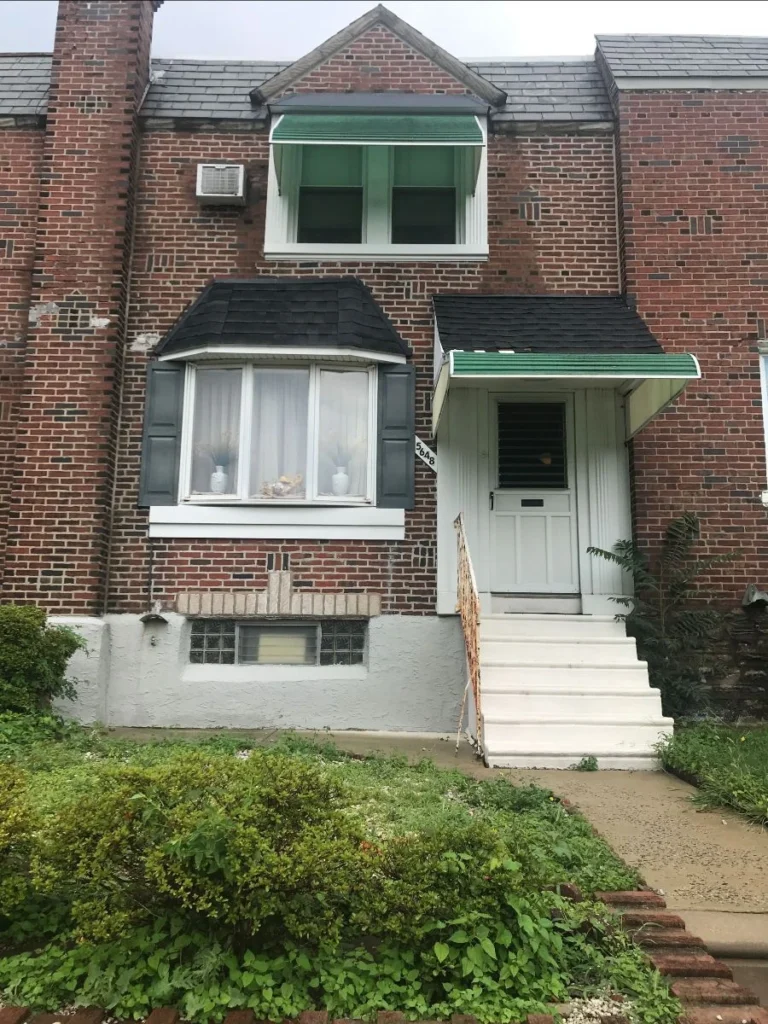
If you own real estate in Philadelphia, you need to pay the local real estate tax every year. The Office of Property Assessment (OPA) determines your property’s market value, and your annual tax bill is calculated by applying the city’s real estate tax rate to that assessed value. As of this writing, the tax rate is 1.3998%.
Your tax money funds the basic, everyday services that keep the city running. It specifically helps cover:
- Local public schools under the School District of Philadelphia.
- Emergency responders like local police officers and firefighters.
- Health clinics, neighborhood parks, recreation centers, and regular street repairs.
When Does a Property Tax Bill Officially Become Overdue?
The Department of Revenue usually mails annual real estate tax bills to property owners in December, and you must pay it by March 31 of the coming year.
If March 31 passes and you haven’t paid, your bill is marked “past due.” Over the next nine months, i.e., from April through December, extra penalty fees and interest may be added to your balance every month.
If you reach December 31 with an open balance, your account officially becomes delinquent on January 1, and the City may begin legal collection and enforcement actions.
What Happens When You Don’t Pay Property Taxes in Philadelphia?
The city does not ignore unpaid property taxes. It follows a step-by-step collection process that becomes pricier and serious over time:
Penalties, Extra Fees, and Interest Standard Rates
According to the City of Philadelphia Department of Revenue, once you miss the end-of-March deadline, the total amount you owe can begin to grow in the following ways:
Additions (April 1 to December 31)
The City adds charges equal to 1.5% of the unpaid tax every month beginning April 1. By the time January 1 arrives, those additions can total 15% of your original tax bill.
Delinquency Charges (January 1)
If you enter the new year with an unpaid balance, your account becomes delinquent. The City may add a delinquency charge along with the applicable lien filing fee in effect at that time to your base amount, along with a $106.45 fee for the lien.
Ongoing Interest
From January 1st onward, interest starts accruing at 9% per year (or 0.75% every month) until your balance is paid off.
Legal & Collection Costs
If the City refers your debt to an outside collection law firm, you may also be responsible for legal fees of up to 18%.
Letters and Warnings in the Mail
As time passes, the Department of Revenue will send formal warning letters demanding payment and outlining possible court actions. If you own a rental or commercial space, they’ll also notify you about taking over your rent collection.
A Tax Lien Hits Your Property Title
A tax lien gives the city a legal hold over your real estate. Think of it as a legal claim against your property’s title. You won’t be able to sell the house or refinance your mortgage without paying off that debt at settlement first.
Legal Action and Court Petitions
If collection letters fail to secure payment over subsequent years, the City of Philadelphia files a legal petition in the Court of Common Pleas and usually responds in these ways:
- Filing for a Sheriff Sale: Seeking court authorization to auction the real estate.
- Seizing Rent Income: Appointing a trustee to collect rent payments directly from your tenants until your tax and water bills are covered.
- Personal Lawsuits: Taking property owners directly to civil court to collect unpaid taxes.
Facing a Sheriff Sale Auction
If a judge approves the city’s petition, the Sheriff’s Office schedules your property for a public auction. If you get a court summons, make sure to show up to the initial hearing.
Attending the court hearing may give you an opportunity to request additional time, explore available relief options, and get free help from local housing counselors.
If you ignore the court date, the city wins by default and can sell your home at auction.
To know more about your legal options to stop a Sheriff Sale, you can read our detailed guide on What Is a Sheriff Sale in Philadelphia and How Do You Stop One?
How to Find Out How Much Philadelphia Property Tax Debt You Owe?
You can verify your current property tax balance online or by telephone through official municipal channels:
- Head over to the official Philadelphia Tax Center site (tax-services.phila.gov).
- Scroll down to the Property section and click Search for a property.
- Type in your house address or your 9-digit OPA property number.
- Look through the broken-down list showing your original tax, added interest, late fees, and total debt.
- If you prefer to talk to a representative, contact the Philadelphia Department of Revenue at (215) 686-6442.
What Are Your Options If You Have Overdue Property Taxes in Philadelphia?
If you’re struggling to pay your property taxes, don’t assume losing your home is your only option. Depending on your situation, Philadelphia offers payment agreements and assistance programs that may help you catch up on your tax debt or reduce your future tax burden:
| Program Name | Who Qualifies | Key Benefit |
| Owner-Occupied Payment Agreement (OOPA) | Low-to-moderate income homeowners living in their property | Sets affordable monthly payments based on total household income (as low as $0/month) with no down payment required. |
| Real Estate Tax Installment Plan | Low-income homeowners or senior citizens (age 65+) | Allows current-year property taxes to be paid in monthly installments throughout the year without interest or penalty additions. |
| Senior Citizen Real Estate Tax Freeze | Low-income seniors meeting age and income requirements | Locks property tax bill amounts so payments do not increase even if property valuations rise in future assessments. |
| Homestead Exemption | Philadelphia homeowners who own and live in the property as their primary residence and meet the City’s eligibility requirements | Reduces the taxable assessed valuation of primary residences by $100,000, saving up to $1,399 on annual tax bills. |
| Active Duty Tax Credit | National Guard or Reserve military personnel | Provides partial tax relief and interest waivers for military members serving on active duty status. |
Can You Sell a House With Unpaid Property Taxes in Philadelphia?
Yes, you can legally sell an inherited house that has unpaid property taxes or tax liens in Philadelphia. However, the sale proceeds from your home typically pay all municipal tax liens and accrued collection charges before you receive your check.
We recently handled a similar situation for a seller named Marcus who owned a vacant rental property in North Philadelphia. The house had accumulated over $14,000 in back taxes and water liens while sitting empty.
Rather than paying out of pocket, Marcus sold the house directly to us. At closing, the title company paid the $14,000 debt straight to the City out of the sale price. The liens were cleared, and Marcus walked away with his remaining cash equity without spending a dime upfront.
What Happens If You Inherit a Home With Unpaid Property Taxes in Philadelphia?
Inheriting a house with unpaid taxes means the tax debt comes with it. Unpaid property taxes remain with the property, not the original owner. That means the City of Philadelphia can still collect the debt or pursue a Sheriff Sale, even if you inherited the home.
Heirs usually have a few clear paths for handling taxes on an inherited house:
- Establish Legal Ownership
Opening probate through the Philadelphia Register of Wills is the first step toward claiming title. After that, a new deed is drawn up and recorded with the city.
- Apply for Tangled Title Relief
If the home is still registered in the name of a deceased family member, heirs can access programs like OOPA (Owner-Occupied Payment Agreement ) with “equitable owner” status while finalizing the deed.
- Settle Debt via Sale or Agreement
The debt can be handled with an OOPA installment plan, or the home can be sold as-is to settle the liens and keep the leftover cash.
When Is It Time to Get Professional Help?
You should consult a qualified real estate attorney, a certified tax advisor, or a U.S. Department of Housing and Urban Development (HUD) certified housing counselor when:
- You receive a Court of Common Pleas summons or notice of a scheduled Sheriff Sale.
- You are attempting to resolve tangled title issues for an inherited property.
- You are contesting an inaccurate property valuation with the Office of Property Assessment (OPA).
- You’re unsure how to resolve your property tax debt, or the amount you owe has become difficult to manage.
Conclusion
Dealing with unpaid Philly property taxes can get overwhelming fast. What starts as a missed bill quickly turns into late fees, liens on your title, and eventual threats of a Sheriff Sale.
Fortunately, you still have options. You can apply for city relief programs like OOPA or set up an affordable monthly payment plan.
And if catching up on the taxes no longer feels realistic, selling it outright can help you pay off the debt and move on.
At We Buy Any Philly Home, we buy properties as-is, handle the tax debt at settlement, and get you cash in hand without the stress. Contact our local team today for a fair cash offer!
FAQs
Can I lose my home because of delinquent property taxes in Philadelphia?
Yes, you can lose your home if property taxes build up in Philadelphia. The city can petition a judge to put the property up for auction at a Sheriff Sale. The auction only goes through, though, if you ignore the debt. Working out a payment agreement with the city is usually all it takes to keep your house safe.
Can I stop a tax sale if I have overdue property taxes in Philadelphia?
Yes. You can stop an impending tax sale by entering an Owner-Occupied Payment Agreement (OOPA), negotiating a standard payment plan with the Department of Revenue, or paying the total outstanding debt prior to the auction date.
Can unpaid property taxes affect my mortgage or refinancing?
Yes. Delinquent taxes result in a property tax lien that takes priority over traditional mortgage lenders. Mortgage companies may pay delinquent taxes on your behalf and add the balance to your monthly escrow payments or initiate mortgage foreclosure proceedings due to a breach of loan terms.