
If you have just inherited a home in Philadelphia, you are probably asking one big question: what now? We are looking into how to sell an inherited house with multiple heirs. While selling such a home may seem complicated at first, it is no longer a challenge once you know the right process.
This guide walks you through every step of selling an inherited home legally and fairly, so you can avoid the disputes that often divide families along the way.
Quick Overview: Steps to Sell an Inherited House
- Confirm ownership and probate status first.
- Then, identify all the heirs and ownership shares.
- Follow up with a mutual agreement to sell.
- Work with a probate lawyer or a professional real estate firm.
- Decide whether to repair the inherited house or not.
- Agree on a fair selling method and go with it fairly.
- End the sale with proper closing and legal paperwork.
- Pay outstanding debts, taxes, and selling costs.
- Give a pre-defined share of the proceeds to all heirs.
Who Legally Owns the Inherited Property?
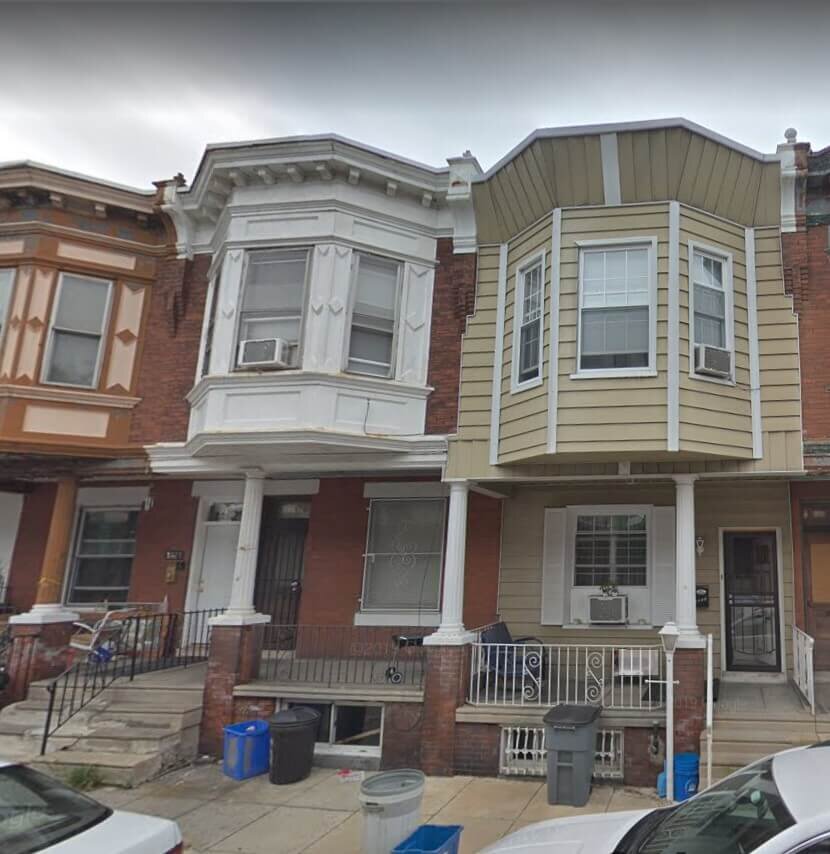
There is never a single owner of an inherited house with multiple heirs. Instead, all the beneficiaries equally share the ownership, but none of them personally own the house. However, that only happens if there is a valid will by the decedent. Another thing to remember is that the heirs don’t hold clear title until the estate passes through the official court system.
Once the estate distributes the property, the heirs typically own it together as tenants in common, according to LADRC (Legal Aid Disaster Resources Center). That means each person holds a percentage, and no one can push the others out. It also means the house cannot be sold cleanly unless the executor has authority under the will, or every co-owner signs off.
Step-by-Step Process to Sell an Inherited House With Multiple Heirs
When there are multiple heirs of a house, it becomes more important to handle the sales process fairly and legally. Otherwise, you may have to face different disputes that may not only waste your time, money, and effort but also affect relationships. So, it’s not just a choice but a necessity to follow a fair, legal, and structured process to sell an inherited home.
Here is a step-by-step process in this regard for your convenience:
1. Confirm Ownership and Probate Status
Start by finding out whether the estate has gone through probate. Probate is the court process that confirms the will, appoints someone to act for the estate, and gives that person legal authority to transfer property.
In Pennsylvania, this process runs through the county Register of Wills. You usually cannot sell and hand over a clean title until that authority is in place, though in some situations a sale can begin while probate is still open. You need to sort this out first, because every step after it depends on it.
2. Identify All Heirs and Ownership Shares
Next, get clear on who inherits and how much. A will spells out the shares. If there is no will, Pennsylvania’s intestate succession law sets the order, usually starting with the spouse and children.
So, write down every heir and their exact ownership percentage early, before the group starts discussing price or how to split the money. A sale is only valid when everyone with a legal share signs off, so if you miss an heir or get the percentages wrong, it can stall the sale and spark disputes later.
3. Reach a Mutual Agreement to Sell
After identifying all the heirs and ownership shares, your next step should be to get everyone on the same page about selling the house. All co-owners generally need to agree to list and sell, since even one holdout can block the whole deal.
Therefore, talk openly about the selling process and answer all their questions, especially the following ones:
- Why selling makes sense
- What timeline works best
- How expenses will be handled
- How proceeds will be divided
- How disagreements will be resolved if they arise
What If One Heir Refuses to Sell?
When one heir wants to keep the house, and the others want to sell, the most common fix is a buyout, in which the remaining heirs pay that person for their share at the appraised value. If no agreement is possible, any co-owner can file a partition action, asking a court to order the sale. Since that route is slow and costly, most families try to settle privately first.
4. Hire a Probate or Real Estate Attorney
Once you reach a mutual agreement with everyone, bring in a probate or real estate attorney early, especially when several heirs share the home. A good attorney confirms who actually has authority to sell, prepares the deed and estate documents correctly, and keeps the transfer clean so the title passes without surprises.
However, you may have to invest a bit in fees in this step. Also, remember that probate and inherited sales carry extra layers that a normal home sale does not, from settling the estate to clearing any liens. Even one wrong document can hold up closing for weeks. So, it’s better to hire a professional rather than prepare everything yourself.
5. Obtain a Professional Home Appraisal
When selling a house with multiple heirs, you should always get a professional home appraisal instead of selling it at any random price. It makes everyone aware of what the inherited property actually costs and how much each will get in shares.
An independent appraisal sets the home’s fair market value, which gives the family an honest figure to agree on and also locks in your stepped-up tax basis for later. If the heirs argue over what the place is worth, try to come up with a neutral appraisal to avoid disputes.
6. Decide Whether to Sell As-Is or Make Repairs
Next, decide together whether to fix the house up or sell it in as-is condition. Remember, repairs can raise the sale price, but they cost money upfront, take time, and require heirs to agree on a budget and a contractor. That’s why, be clear about what to do before selling the house.
If the property only needs cosmetic updates, making a few improvements may increase buyer interest. On the other hand, major repairs often require thousands of dollars that the heirs may not have or may not agree to contribute.
7. Choose the Right Selling Method
Whether you repair the house or not, it becomes difficult to get the right prices if you don’t choose the right selling method. Besides that, it may also affect how much time it takes to sell the house. Usually, there are three main methods to sell a house. These include:
- Listing with a real estate agent
- For Sale By Owner (FSBO)
- Professional home buyer
Here is what each method is best for and what you need to consider before selling the house:
| Selling Method | Best For | Things to Consider |
| Listing with an agent | Updated homes in good condition | May involve repairs, showings, commissions, and financial contingencies |
| For Sale By Owner (FSBO) | Owners comfortable handling the sale | Requires marketing, negotiations, and legal paperwork |
| Professional home buyer | Families seeking a faster and simpler sale | Often purchases homes as-is with no commission or delay |
For families who want to skip repairs, showings, and long delays, a professional home buyer is often the simplest route. This is exactly what We Buy Any Philly Home does. As a family-run, BBB A+ accredited home buyer operating in Philadelphia since 2014, we make a fair cash offer from your photos and a short description with no repairs, no commissions, and no showings. We work directly with multiple heirs and coordinate through probate, so the whole group can move forward together.
We recently helped three siblings sell a jointly inherited rowhome in Mayfair while probate was still open. Because we buy as-is and coordinate with every heir, they split the proceeds without repairs, fees, or family friction.
8. Complete the Legal Paperwork and Closing Process
Once you accept an offer, things move over to a title company, and a closing date gets set. This is where the title company earns its keep. It makes sure the title is clean, double-checks that the estate actually had the right to sell, and gets a signature from every heir who needs to sign. It is also the reason you want any family disagreements sorted out beforehand, because one heir dragging their feet at the last minute can hold up the whole closing.
After everyone signs, the house officially changes hands, and the estate gets paid. That still is not the finish line, though. Before a single dollar reaches the heirs, the estate has to square up what it owes first: the mortgage, any liens, taxes, and the costs of selling.
9. Pay Outstanding Debts, Taxes, and Selling Costs
Before anyone sees a dime, the estate settles what it owes. That covers the mortgage payoff, any liens, unpaid property taxes, closing costs, and Pennsylvania inheritance tax. Pennsylvania is one of the few states that taxes inheritances directly, and the rate depends on your relationship to the person who died.
Here is a quick overview of tax rates for different heirs, according to the Pennsylvania Department of Revenue.
| Heir’s Relationship to the Deceased | PA Inheritance Tax Rate |
| Surviving spouse | 0% |
| Children, grandchildren, parents | 4.5% |
| Siblings | 12% |
| Other heirs (nieces, nephews, friends) | 15% |
Remember that the inheritance tax return is due within nine months of the death, and the estate earns a 5% discount when the tax gets paid within three months.
10. Distribute Sale Proceeds to Beneficiaries
Now comes the part everyone has been waiting for: splitting the money. Once the debts, taxes, and selling costs are paid, what’s left is divided among the heirs using the same percentages you agreed on back in step two. For two siblings, that is usually a straight fifty-fifty. For three, it might be a third each.
The main point to remember here is to keep good records of the whole process. In this way, you protect yourself but also all the heirs from possible disputes. Here are the documents that you need to keep for future reference:
- Closing statements
- Estate accounting
- Expense records
- Copies of invoices
- Final distributions
What Mistakes to Avoid When Selling Property With Multiple Heirs?
Many people make avoidable mistakes when selling an inherited property. Here are the most common ones among them for your knowledge so you can avoid them to sell the house fairly and legally:
- Ignoring Probate Requirements: Trying to sell before the estate has legal authority is a common trap. If you skip the probate step, the title company can collapse the sale before it closes.
- Failing to Get All Heirs on Board: Pushing ahead while one owner is still undecided wastes everyone’s effort. So, get everyone on board before you list or accept an offer.
- Skipping a Professional Property Appraisal: An independent appraisal gives the family a fair anchor and protects your tax basis. So, don’t forget to get real appraisals.
- Overlooking Tax and Legal Obligations: Forgetting the inheritance tax deadline or an outstanding lien often turns into penalties. That’s why, pay all taxes and debts.
- Poor Communication Among Heirs: Silence and side conversations wreck the sale of an inherited property. Therefore, keep the whole group in the loop from day one.
Ready to Sell Without the Family Stress?
Selling an inherited house with siblings does not have to strain your family or drag on for months. If you would rather keep it simple, We Buy Any Philly Home can make a no-obligation cash offer and work with every heir to close on a timeline that suits you all once the title is cleared.
Frequently Asked Questions
Is there a time limit on selling inherited property?
No hard deadline forces you to sell by a certain date, so the family can take the time it needs. Waiting still carries a cost, though. An empty home keeps racking up property taxes, insurance, and maintenance, and the Pennsylvania inheritance tax is due within nine months of the death, no matter when you sell.
Do I need to pay capital gains tax on inherited property?
Yes, you need to, but it’s far less than you fear, which is only possible due to the stepped-up basis rule. When you inherit a home, its tax basis resets to the fair market value on the date of death, so you are taxed only on gains after that point. Sell close to that value soon after inheriting, and the capital gains bill can be small or nothing at all.
What should I do when selling an inherited property?
Confirm the estate’s authority to sell, agree with the other heirs on a price and a plan, hire a probate attorney, get an appraisal, and then settle the debts and taxes before splitting the proceeds. Working in that order keeps the sale legal and the outcome fair to everyone.
Can you sell a property if you inherit it?
Once you hold clear legal ownership, or the executor has authority to sell, the property can absolutely be sold. With multiple heirs, that usually means every co-owner agrees and signs, or the executor sells on the estate’s behalf under the will.
What if one heir does not want to sell?
You can start by asking why they do not want to sell, since a flat refusal often comes down to money worries or attachment to the home. If there is an attachment to the place, the other heirs can buy out their share at the appraised value. If no agreement is possible, any co-owner can file a partition action to have a court order the sale, but that path is slow, costly, and best avoided.