
Getting an Act 91 Notice brings on a lot of stress, especially if you are not sure what it actually means or what comes next. While plenty of Pennsylvania homeowners get this notice every year, receiving one does not mean you are automatically going to lose your house.
ATTOM reported 1,377 foreclosure filings across Pennsylvania in June 2026 alone, so you are definitely not the only one dealing with these financial hurdles. But here is the key thing to keep in mind: an Act 91 Notice is really a heads-up that gives you a chance to take action before the foreclosure process moves any further.
This guide breaks down what the notice actually means, how much time you have left, and what choices you have to help save your home.
Key Takeaways:
- An Act 91 notice warns of foreclosure; it is not the final step.
- You get about 30 days to respond before foreclosure moves forward.
- Notices typically follow after approximately 60 days of missed payments.
- A housing counselor meeting can pause the foreclosure process.
- HEMAP offers a state loan to bring your mortgage current.
- Ignoring the notice or delaying contact costs you options.
- Selling for cash can clear debts before foreclosure escalates.
What Is Act 91 Notice in Pennsylvania?
It is a formal written warning, usually called a Notice of Intention to Foreclose, that a mortgage lender must send a homeowner before filing a foreclosure lawsuit in Pennsylvania. The law behind it, Act 91 of 1983, was written to give struggling homeowners a last chance to catch up before losing their homes.
In Pennsylvania, state regulations demand that this document must detail the exact delinquency amount, late fees, and available state programs designed to prevent mortgage default.
If your lender fails to include specific state-mandated counseling agency lists or miscalculates your arrearage figures, courts can actually dismiss their subsequent foreclosure complaint.
Why Do Homeowners Receive an Act 91 Notice in Pennsylvania?
The most common reason homeowners receive an Act 91 Notice is financial hardship. However, that’s not the only factor behind it. There are several other causes, and you should be aware of each to determine why you received the notice.
Missed Mortgage Payments
The most direct trigger is missed mortgage payments. Once you fall behind on your monthly payments, approximately 60 days past due, the lender prepares the foreclosure notice and sends it. However, that doesn’t happen if there is only one late payment. In most cases, the lender takes the action when homeowners have missed multiple payments or stopped paying altogether.
Medical Emergencies
Another common driver of Act 91 notices in Pennsylvania is medical emergencies. A surgery, a hospital stay, or a new diagnosis can wipe out a family’s savings within weeks. Where there is no budget left to meet housing expenses, homeowners fall behind on their mortgage payments and miss multiple due dates.
Unexpected Hardships
Anyone can face a sudden job loss, a divorce, the death of a family member, or other hardships. Such unexpected incidents can add a significant financial burden, which makes it hard to keep up with monthly mortgage payments.
For example, if you were relying on two incomes to cover the mortgage and one of those disappears, even a modest loan balance can become unmanageable within a few missed pay cycles. As a result, you might not be able to pay the mortgage and receive an Act 91 notice.
Rising Living Expenses
Rising living costs are another main reason why Pennsylvanians are failing to budget for their housing needs. As a result, the mortgage delinquency rate has reached 2.8% statewide, according to a recent research report by Urban. Since all the bills are going up at the same time, you have to miss something for your living, and a mortgage is often one among them.
High Debt and Financial Mismanagement
One more prominent factor to consider here is debt burden and financial mismanagement. Credit card balances, personal loans, and buy-now-pay-later purchases can pile up faster than most people realize. When monthly debt payments eat too much of a paycheck, the mortgage sometimes becomes the bill that gets paid late, or not at all.
What Should You Do After Receiving an Act 91 Notice?
The first thing you need to do is not panic or throw the letter away because of stress. Instead, take it, sit calmly, and open it to check everything inside. When you know the requirements of your lender, you can better plan for the next step. Here is how you should go through it:
Read the Notice Carefully
An Act 91 notice usually includes all the essential details you need to know exactly how far behind you are and what you are supposed to do. These include:
- Account summary
- Amount needed to reinstate
- Contact information for approved housing counselor
- Response deadline
- Available foreclosure prevention resources
All you need to do is read the whole document word by word and pay attention to each detail. If you find anything unclear, ask your lender questions before signing documents.
Note Important Deadlines
Pennsylvania law gives you 30 days from the date on the notice, plus a small mailing allowance, to arrange a face-to-face meeting with a housing counselor. If you miss that meeting, it removes the temporary pause on foreclosure activity. So, whatever date is mentioned in the document, mark it on your calendar and communicate with your lender at the set time.
Gather Your Financial Documents
The most important thing you need to do is to gather all the supporting documents to stop the foreclosure. So, before speaking with your lender or housing counselor, organize files that explain your current financial situation.
These often include:
- Recent pay stubs
- Tax returns
- Bank statements
- Monthly expense information
- Mortgage statements
- Documentation supporting financial hardship
Contact a HUD-Approved Housing Counselor
A HUD-approved housing counselor can review your finances at no cost and help you apply for assistance programs. Also, they can assist you with lender negotiation, which often leads to a solution. Such counselors deal with Act 91 notices constantly, and they know which lenders tend to be flexible and which require more documentation. So, it’s advisable to contact one as soon as possible.
Communicate With Your Mortgage Lender
Lenders generally prefer working out a solution over pursuing foreclosure, since it is an expensive and slow process for them as well. So, instead of keeping silent, you should call them directly and explain your situation honestly. However, make sure that you document every call with dates, times, and the discussion notes. Keeping detailed records can be helpful if questions or disputes arise later.
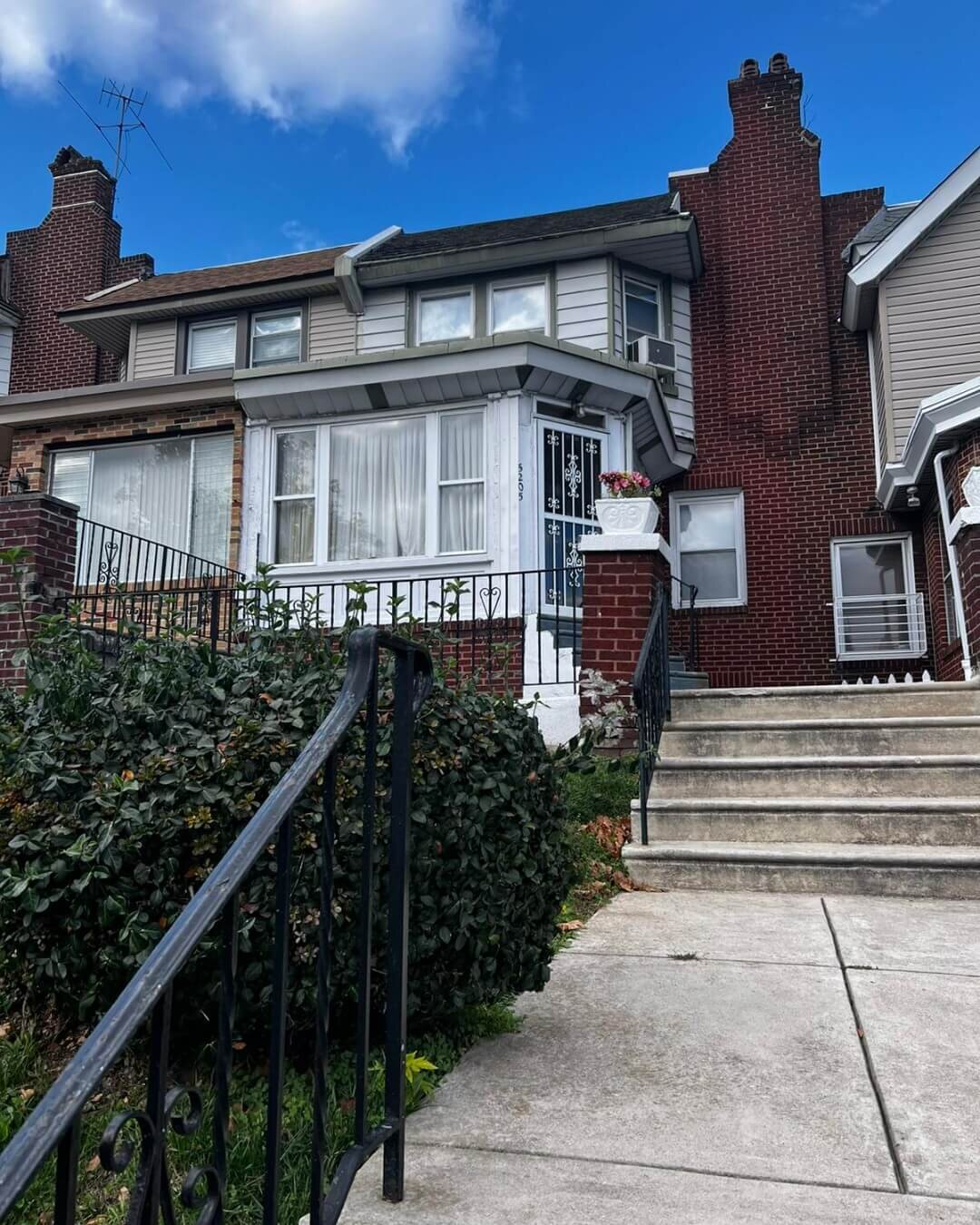
We recently worked with a homeowner in Northeast Philadelphia who got an Act 91 Notice after falling behind on a few payments. We looked over some photos of the house and talked through their options together. In the end, they decided to sell to us before the foreclosure went any further.
Apply for HEMPA If Possible
The Act 91 notice comes with all the eligibility details for the homeowners emergency mortgage assistance program in PA. This unique state initiative provides low-interest loans to bridge financial gaps for eligible residents. By submitting a complete application through your housing counselor, you can pause the foreclosure timeline while the state reviews your file.
What Happens If You Do Not Respond to an Act 91 Notice?
Ignoring an Act 91 notice does not make the problem go away. If you do not respond within the required timeframe, your lender may move forward with foreclosure proceedings if all legal requirements have been met.
While every case is different, failing to act can significantly reduce the options available to protect your home.
You may have to face the following possible consequences if you don’t respond to the notice:
- Your lender may file a foreclosure lawsuit.
- Late fees and interest may continue to increase the amount you owe.
- Legal costs may be added to your mortgage balance.
- Your opportunities to negotiate with the lender may become more limited.
How Can You Avoid Foreclosure in Pennsylvania?
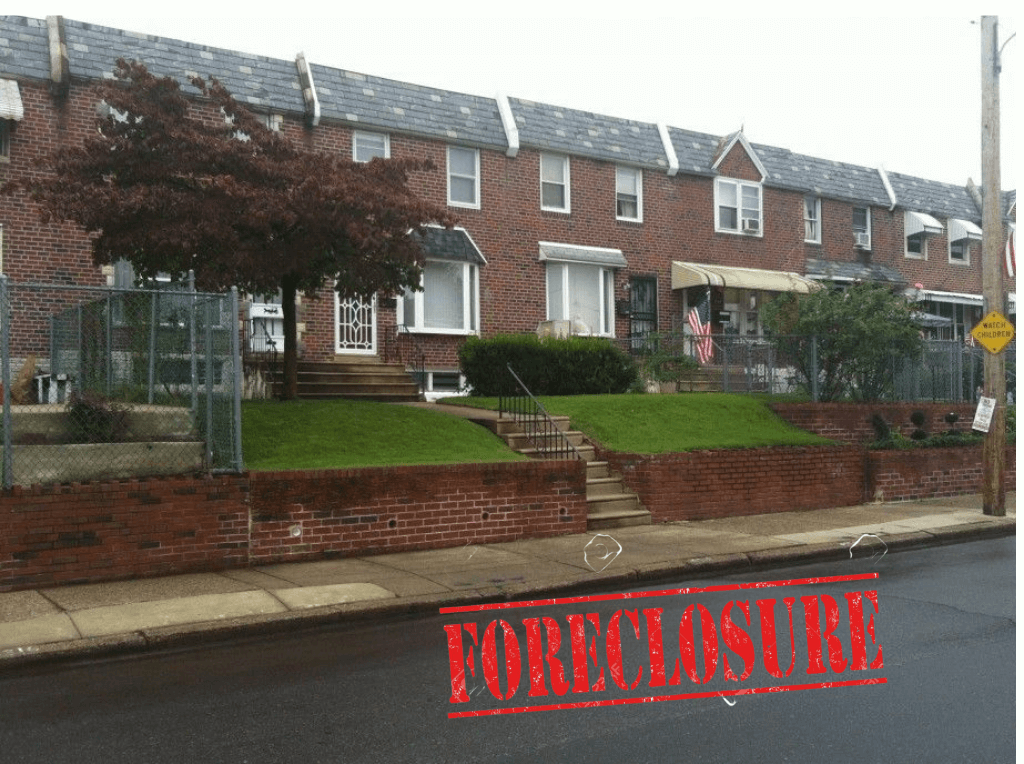
Receiving an Act 91 notice does not automatically mean foreclosure is unavoidable. Pennsylvania homeowners may have several options to stop foreclosure depending on their financial circumstances, mortgage type, and the reason they fell behind on payments. The table below breaks down the main paths so you can see which one fits your case the best:
| Option | Best For Financial Condition | What It Involves |
| HEMAP | Temporary hardship with recovering income | State loan to bring mortgage current, repaid over time |
| Load Modification | Permanent income change | The lender adjusts rate, term, or balance |
| Repayment Plan | Short-term missed payments | Extra amount added to future payments until caught up |
| Mortgage Forbearance | Temporary pause needed | Payments reduced or paused, then repaid later |
| Refinancing or Alternatives | Equity available, strong credit | A new loan replaces the old one, or the property is sold |
| Backruptcy | Multiple debts beyond the mortgage | Legal process that can pause foreclosure and reorganize debt |
What Mistakes Should You Avoid After Receiving an Act 91 Notice?
Many homeowners lose valuable time because they make avoidable mistakes during the early stages of foreclosure. Recognizing these common mistakes can help you make better decisions while more options remain available. Here is what you need to avoid at all costs:
- Do Not Ignore the Notice at All: Some homeowners set the letter aside out of stress or denial, hoping the problem resolves itself. You should always read it and respond to it.
- Do Not Delay Lender Communication: Waiting until day 30 to call your lender leaves almost no time to reach an agreement. So, contact them as soon as possible.
- Do Not Wait to Seek Professional Help: Trying to navigate complex real estate laws entirely on your own usually leads to costly mistakes. That is why you should seek professional guidance as early as possible.
The Final Thoughts
An Act 91 notice may look scary when it lands in your mailbox. It is not a final decision. You have many options to avoid foreclosure, including asking for help or working with your lender. You also have the option to sell your home to pay your mortgage, legal fees, court costs, and any other debts you owe before the foreclosure process can proceed.
If selling your home makes the most sense for you, We Buy Any Philly Home is here to give you a fair, no-obligation cash offer. There are no realtor commissions, no closing costs, and no repairs needed from your end. So, contact our team today to discuss your situation and find out what your options are.
FAQs About Act 91 Notice in Pennsylvania
How many notices do you get before foreclosure?
Pennsylvania homeowners typically get standard late payment notices from their lender first, followed by the Act 91 notice once the account is significantly delinquent. When the Act 91 notice period passes without resolution, the next communication is typically the foreclosure complaint itself, filed in county court.
How long does it take for a house to go into foreclosure in PA?
Once a foreclosure complaint is filed, the process in Pennsylvania commonly takes several months to over a year to reach a sheriff’s sale. The exact period depends on court schedules, whether the homeowner responds to the complaint, and whether any loss mitigation efforts are underway during that time.
Can you stop a foreclosure in PA?
Yes, foreclosure can often be stopped or paused through several routes, including a HEMAP loan, a loan modification, forbearance, a repayment plan, or a Chapter 13 bankruptcy filing.
Can you still qualify for HEMAP after receiving an Act 91 Notice?
Yes, receiving an Act 91 Notice is actually a requirement to start the HEMAP application process. Please note the application process cannot begin without first receiving an Act 91 Notice.