
If you have just inherited a home in Philadelphia, you are probably asking one big question: what now? Do you keep it, rent it out, or sell it and move on? There is no single right answer, but there is a clear path through it.
Once you understand how probate works, what taxes apply, and what happens to any mortgage, the decision gets a lot easier to make with a clear head.
Key Takeaways
- Probate is usually required before you can transfer or sell an inherited home in Philadelphia. It usually takes several weeks or months to get the legal authority you need to transfer the keys to a new owner.
- Pennsylvania charges an inheritance tax based on your relationship to the deceased person. It usually becomes due within nine months of the date of death, whether or not the house has been sold.
- Heirs can generally keep making payments on an existing mortgage without applying for a new loan, thanks to federal protections for inherited property.
- If the house comes with unpaid taxes, code violations, or a looming sheriff sale, then you must solve these issues to protect your fair share in the property.
- You can keep the house, rent it out, or sell it depending on the situation. Decide what’s best based on financial gains or losses, not emotions.
What Happens After You Inherit a House in Philadelphia?
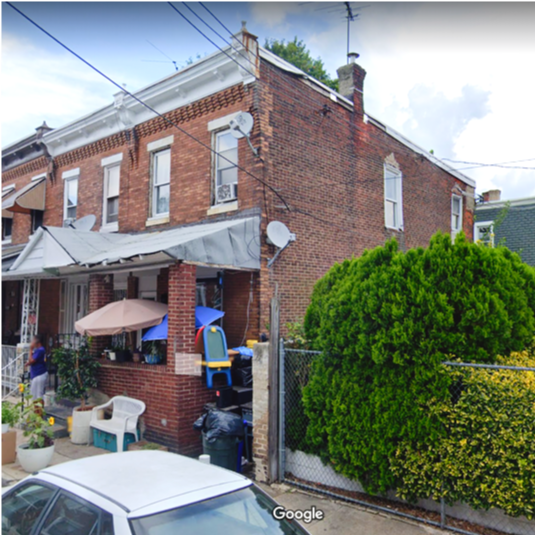
When a person dies, their property generally has to go through probate. This is a legal process to determine who has the right to administer the estate of the deceased. If there is no will, the court appoints an administrator who will sell the property.
Whether you are named in a will or trust, you may need to follow the probate timelines in Pennsylvania. You can work with the Philadelphia Register of Wills to get the legal document called Letters Testamentary or Letters of Administration. It is an authority letter that you can use to sell or rent the property.
Do You Always Have to Go Through Probate?
If the house is held in joint tenancy with right of survivorship, meaning another co-owner is still alive, ownership can be directly passed to you. You may also not need to go through probate when the property is placed in a living trust before the owner dies.
You can contact the Philadelphia Department of Records to confirm how the deed was actually titled and avoid a lengthy probate process.
What Will Inherited House Cost You? Understanding Pennsylvania (PA) Inheritance Tax
Pennsylvania inheritance tax is separate from the federal estate tax, and it applies to most inherited property, including real estate. While very few estates are large enough to owe federal estate tax, Pennsylvania’s inheritance tax is far more common, and how much you owe depends on your relationship to the person who passed.
According to the Commonwealth of Pennsylvania, the inheritance tax rates are:
- 0 percent on transfers to a surviving spouse or to a parent. The same goes for a child aged 21 or younger.
- 4.5 percent on transfers to direct descendants and lineal heirs.
- 12 percent on transfers to brothers and sisters and 15 percent on transfers to other beneficiaries, except transfers to charitable organizations, exempt institutions, and government entities exempt from taxation.
- Property owned jointly between spouses is exempt from inheritance tax.
This tax is generally due within nine months of the date of death, whether or not you have sold the house by then.
How Does the Step-Up Rule Protect You in Selling Inheritance?
Assume your grandmother bought her Philadelphia rowhome two decades ago for $60,000. By the time she passed away, the home was worth $220,000. Normally, selling a property that has gained that much would mean a large capital gains tax bill. This is where the step-up in basis rule works in your favor. Instead of using the original $60,000 she paid, your starting point for tax purposes resets to the $220,000 value at the time of her death.
That reset is a real saving. If you sell the house for $225,000 shortly after inheriting it, you generally owe capital gains tax on only about $5,000 of appreciation, not the $165,000 gain since she first bought it. In other words, the rule wipes out the tax on decades of growth that happened during her lifetime. It is one of the most misunderstood parts of inheriting property, and understanding it can meaningfully change how you think about selling.
What If the Inherited House Still Has a Mortgage?
If you inherit a family home that has a mortgage on it, you don’t have to pay the full balance right away. Under a federal law called the Garn-St Germain Act, heirs are protected from being forced to pay off the full loan balance immediately or refinance in their own name right away.
You can continue making the existing payments as-is while you figure out your next move. It is a moment where you must think critically about what to do with a house you inherited. At this point, heirs usually have three options:
- Keep paying the mortgage as it stands.
- Refinance it in your own name if you plan to keep the house long term.
- Sell the property and use the proceeds to pay off the remaining balance.
What Should You Do with an Inherited Home? Keep, Rent, or Sell
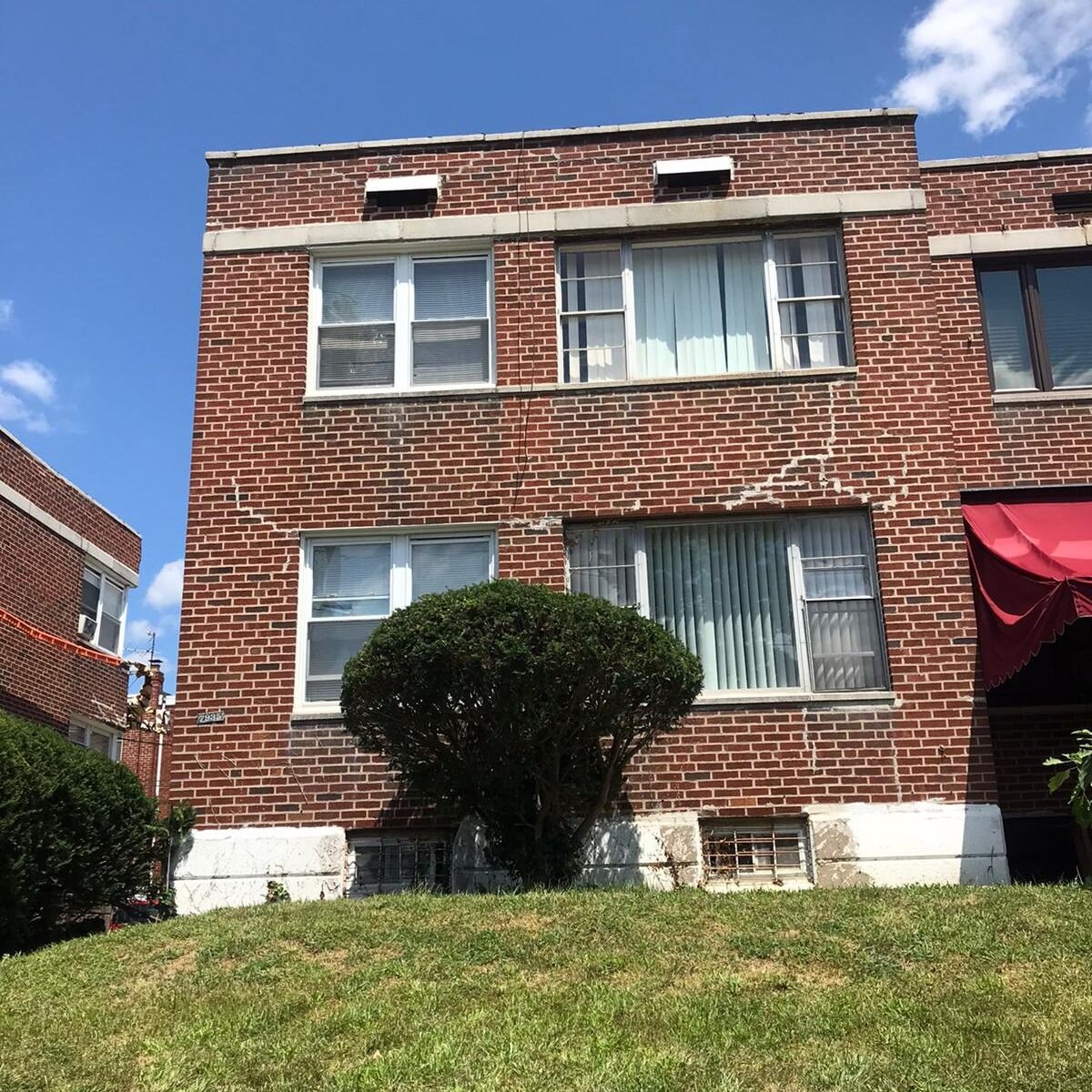
It depends on your financial condition and how much responsibility you actually want. Let us help you decide what would be better for you based on real-time scenarios.
| Option | Best If | Ongoing Responsibility | Typical Upfront Cost |
| Keep and live in it | You already live nearby, and the house is in decent shape. | Full homeowner responsibility (repairs, taxes, insurance). | Low, aside from any needed repairs. |
| Rent it out | You want ongoing income and do not mind managing tenants. | Moderate to high (tenant screening, maintenance, Philly rental licensing). | Moderate, plus licensing and possible repairs. |
| Sell it | You live out of state, do not want the upkeep, or need funds from the estate. | Ends once the sale closes. | Depends on the sale method chosen. |
- If you already live nearby and can manage repairs or taxes without being overwhelmed, then keeping the house makes sense.
- Renting it out can generate steady income, but you need to obtain a license and manage tenants.
- If you live far from Philadelphia, selling a house off-market without a real estate agent often makes more sense, since managing repairs and showings from another state is difficult. It also stops the holding costs, taxes, insurance, and utilities from piling up while the house sits.
What Happens When Multiple Siblings Inherit the Same House?
When a house passes to more than one heir, all owners typically need to agree before it can be sold. This is where families sometimes hit friction, especially if one sibling wants to keep the house and others want to cash out.
A buyout is the most common solution, where one sibling pays the others for their shares and keeps the family row or twin home. If the siblings cannot agree, any owner can file what is called a partition action, which asks the court to force a sale and divide the proceeds. Because that route is slow and costly, most families try to settle privately first.
An estate attorney can help you weigh a buyout against a court-ordered sale before things turn stressful.
What If the House Has Debts or Legal Issues?
Sometimes an inherited house is not in good physical or financial condition. You will usually need to clear these issues before you can keep, rent, or sell the property.
- Unpaid property taxes or water bills: These debts generally attach to the property itself and need to be cleared as part of the estate before the sale can go through.
- Code violations from Licenses and Inspections (L&I): Building code, zoning laws, and other violations can slow down or even block a traditional home sale. You can either sell the property as-is to cash home buyers in Philadelphia or address the issues to list it with a realtor.
- A vacant property: Once a house sits empty for around 60 days, many standard homeowner insurance policies reduce coverage or cancel it entirely. Don’t keep paying for an empty home when you know insurers may refuse to cover damages when needed.
- A pending sheriff sale: If the previous owner had fallen behind on taxes or the mortgage before passing away, then the county may already have a sheriff sale scheduled. In this case, timing matters more than in a typical inheritance since court dates do not pause for probate.
What Happens When You Sell an Inherited House?
If you have decided to sell the inherited property, you generally have three options, each with its own advantage.
- Listing with an agent tends to bring the highest sale price if the home is in good shape and you can wait.
- Selling it yourself saves you the commission if you are happy to manage the process.
- Selling as-is to a local cash buyer is the fastest, simplest route, with no repairs, fees, or showings.
Here is how the three compare:
| Path | Typical Fees | Typical Timeline | Best Suited For |
| List with a real estate agent | Around 6% commission plus roughly 2% in closing costs. | Homes stay on the market 90+ days on average. | Move-in-ready homes and sellers with time to wait. |
| Sell it yourself (FSBO) | Lower commission cost, but you handle marketing and negotiation. | Varies widely, often longer without an agent’s buyer network. | Sellers who are comfortable managing the process directly. |
| Sell as-is to a local cash buyer | No commission or closing costs to the seller. | Can close once title issues are cleared, often faster than a financed sale. | Distressed properties, out-of-state heirs, or anyone wanting to skip repairs and showings. |
Traditional home sales with realtors carry the risk that roughly 15% of sales fall through due to financing issues before closing. You can avoid failed contingencies with an all-cash purchase because it requires no lender approval, which can delay the closing.
This is exactly the kind of situation We Buy Any Philly Home was built for. We are a family-run homebuyer, BBB A+ accredited, and operating in Philadelphia since 2014, with a track record of helping heirs stop sheriff sales and work through probate. We work directly with heirs to navigate probate, unresolved L&I violations, and back taxes so you can close on your timeline once the title is cleared.
Conclusion
Inheriting a house in Philadelphia is rarely just a real estate transaction. It involves complex paperwork, pending taxes, and a property requiring a decision.
So, what to do with an inherited house? All in all, you can assess your current situation and plans to decide whether to keep, rent, or sell it.
Frequently Asked Questions
How long does probate take in Pennsylvania?
Probate timelines vary, but many Philadelphia estates take several months to around a year to fully settle. You can often receive letters from the Register of Wills within a few weeks, at which point you gain authority to manage or sell the property. Complex estates, disputes, or unpaid debts can extend the timeline.
How much is inheritance tax on a house in PA?
It depends on your relationship to the person who passed. Pennsylvania charges 0% for a surviving spouse or a parent, 4.5% for children and direct descendants, 12% for siblings, and 15% for other heirs. The tax is generally due within nine months of the date of death.
Can I sell an inherited house before probate is finished?
In most cases, a sale cannot legally close until the executor or administrator has received letters from the Register of Wills. You can get offers from realtors or cash home buyers while probate is still moving through the system. But it may not make the sale before the probate is finished and the Letters Testamentary or Letters of Administration are issued.
What happens if I do not want to inherit the house at all?
You are allowed to formally decline, or disclaim, an inheritance. Once you disclaim it, the property passes to the next heir in line as if you had never been named at all. This may be a real legal option depending on the state laws. You should discuss it with an estate attorney to make a better decision, because inheritance usually comes with pending taxes or mortgage payments.
Do I need to pay off the deceased person’s debts before I can sell the house?
The estate itself, not you personally, is generally responsible for settling the deceased person’s debts during probate. A court-appointed executor usually handles the deceased person’s debt alongside the property sale. You are not usually expected to pay these debts out of your own pocket, though outstanding property-related debts like taxes or liens can affect what happens at closing.
What if I have been living in the house but it is not in my name?
This scenario comes up more often than people expect, especially with adult children who moved in to help care for an aging parent. Living in the home does not give you legal ownership on its own. You may already be paying the bills and keeping up the property, but you still have to go through probate to prove that you own it.
Is there a deadline for paying Pennsylvania inheritance tax if the house has not sold yet?
Yes, the nine-month payment deadline applies regardless of whether the house has sold. If the estate does not have enough liquid cash available, some heirs choose to pay from other estate assets and take a short-term loan against the property. It is usually mandatory to pay the inheritance tax according to the state inheritance tax rates even if the house has not sold yet.