
Found an open permit while preparing to sell your Philadelphia house? Maybe a previous owner completed renovations without getting the required approval. Either situation can raise questions when buyers review the property’s records.
You can often sell a house with open permits or unpermitted work, but the details matter. Outstanding violations may complicate the transaction, and known problems can trigger disclosure obligations.
This guide explains how to check Philadelphia L&I records and what you can do about unfinished permits. It also covers your options if you want to sell the property as-is.
Summary
A Philadelphia house with open permits or unpermitted work can often be sold, but unresolved issues may affect the transaction. Pennsylvania requires sellers to disclose known material defects, subject to applicable exceptions. Philadelphia has separate property sales certification requirements. Depending on the work involved, you may need to arrange inspections, obtain permits, or negotiate with a buyer willing to accept the property in its current condition.
What Is an Open Permit in Philadelphia?
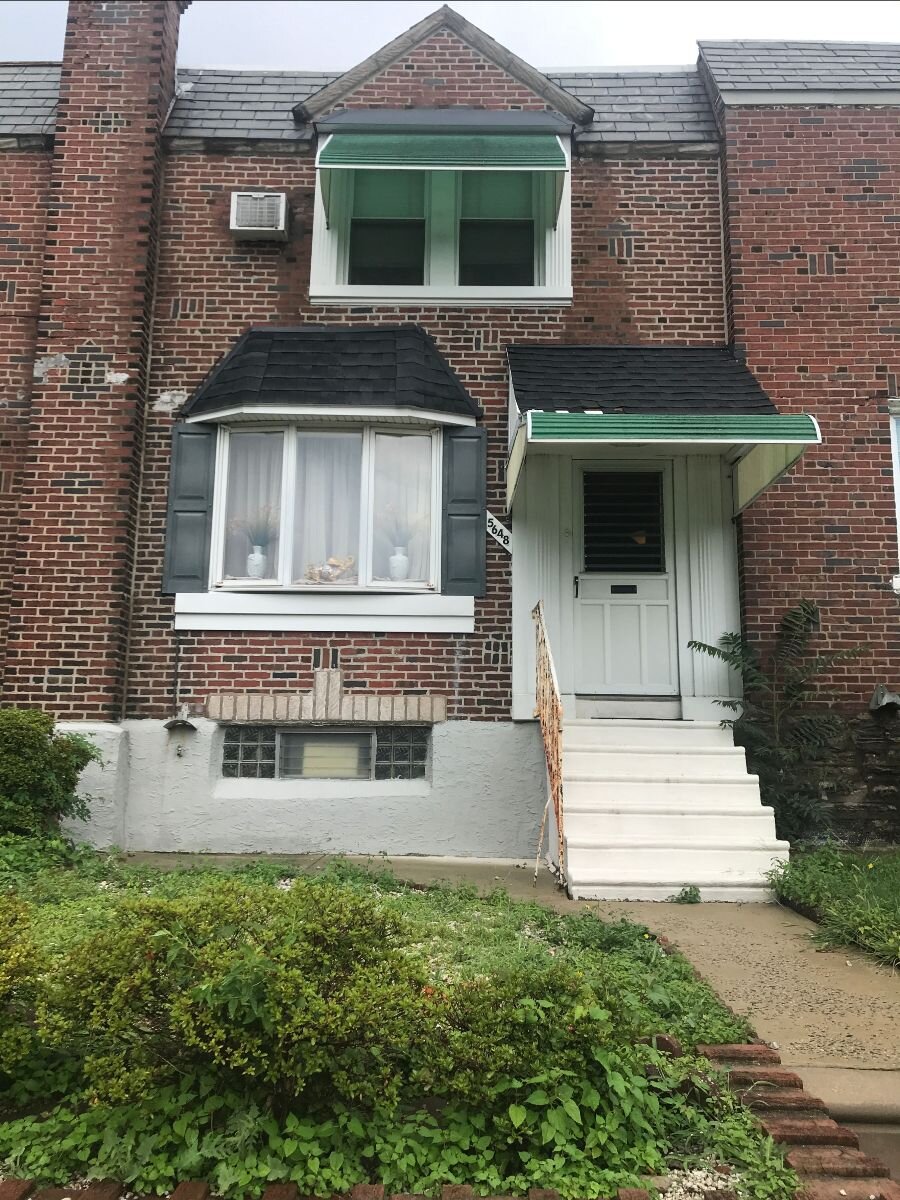
Philadelphia requires permits for many construction projects, including certain structural changes and renovations. However, some minor work may be exempt.
According to the Philadelphia Administrative Code from L&I, permitted work needs final inspection once it is complete. If the permit holder never arranges that inspection, the permits can become invalid. L&I may issue code violations for invalid permits. Until L&I signs off, city records still treat the job as unfinished, and the permit status may remain open.
You can find building-related permit, violation & license records for Philadelphia on Phila.gov.
Why Do Permits Stay Open?
Most open permits are due to unfinished work. Common reasons include:
- Contractor finished the job but never requested a final inspection.
- Work did not pass L&I’s review. No one fixed it, or they fixed it but did not request a recall.
- Project stalled because of a lack of money or time.
- Contractor left the job or went out of business.
Philadelphia permits can also expire after a certain period. Work must begin within the timeline mentioned on the permit.
Open Permits vs. Unpermitted Work
Many property owners confuse an open permit with unpermitted work, but they are different things.
An open permit is a permit that has been issued but has not reached the required closeout stage. ‘Unpermitted work’ refers to construction or alterations that were completed without a permit when one was required.
Buyers can search Philadelphia’s public property records for permit information. Unpermitted work may be harder to identify because it might not appear in city records. A property inspection or differences between the home’s current layout and approved plans may raise questions.
How to Do a Philadelphia L&I Permit Search?
You can do a Philadelphia L&I permit search online for any registered house. All you need is the property address.
The City website lets you search property history by address. You can use Atlas or the L&I Property History tool. These tools will show permits, violations, licenses, and zoning history of the house.
You can also use eCLIPSE, L&I’s online permit system. This system is the one that many sellers’ agents use to check Philadelphia open building permits; it provides the following information:
- Issued: The permit was paid for and issued. The job may still be open.
- Completed: L&I has finalized the job.
- Expired: The permit was open but reached its expiration date.
- Stop Work: L&I ordered all work to stop. Only L&I staff can lift this status.
- Cancelled: The permit is no longer active.
An old permit that still shows ‘Issued’ may never have received final approval. You can also request records from L&I with a form and a fee.
Can You Sell a House with Open Permits in Philadelphia?
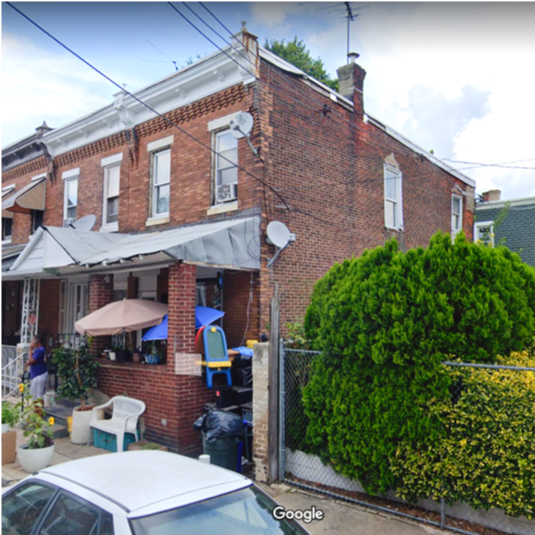
You can sell a house with open permits in Philadelphia. No city rule stops a sale only because a permit is open. However, you may need certain paperwork to close the permit.
Moreover, you will need a Property Sales Certification to sell a house in Philadelphia; it is a Pennsylvania state requirement. You can apply for the property sales certificate through the eCLIPSE tool we mentioned earlier. As of November 2026, the fee for the property sales certificate is $139, and processing can take up to 5 business days.
An open permit is not the same as a violation. However, if stalled work lets a permit expire, the city treats it as work without a permit. That violation could then appear on your certification.
How Can Permit Problems Affect Your House Sale?
Open permits and unpermitted work can make a house harder to sell, even when a sale is legally possible.
A buyer may discover unresolved permits while reviewing Philadelphia’s public property records. They might ask you to complete the required inspections before closing or negotiate a lower price to account for the remaining work.
If the property has active violations, the buyer may also want to know what it will take to resolve them. Discuss those issues early so they do not become unexpected problems during the transaction.
L&I Open Permit Closeout: How to Close Open Permits
How you close an open permit depends on its status and the condition of the work. In most cases, the permit holder requests the final step. Here are the L&I open permit closeout options you might have.
If the Work is Finished
If the work for the house is finished, the permit holder has to request the inspection for final approval. This request can be made through eCLIPSE or by phone. Any required certification related to the work done must reach L&I first. Request the final inspection only when the work is ready. A rescheduling fee may apply if the work is not completed when inspection is requested.
If Work Needs Corrections
If the work fails inspection, review the issues identified by L&I. Ask a qualified contractor to make the required corrections, then arrange a follow-up inspection.
If There Is a Stop Work Order
A Stop Work Order is a legal directive that L&I may issue when they find unpermitted work, unsafe conditions, or safety gaps. Only L&I staff can lift a Stop Work status, so contact your L&I district office first. For a dispute, a real estate attorney can help.
If the Permit Has Expired
An expired permit may qualify for reinstatement, but the rules depend on why it expired and how much time has passed.
For stalled construction, Philadelphia guidance allows certain reinstatement requests within 12 months if no previous stalled-work extensions were granted.
Additional inspections or professional certification may be required. Contact your L&I district office to confirm whether reinstatement is available for your permit.
What If the Work Was Never Permitted?
If the work never had a permit, you can legalize it, remove it, or disclose it and sell it in as-is condition. L&I can issue a violation notice for working without a permit under Section A-301.1 of the Philadelphia Code.
To legalize the work, you can apply for the necessary permits. Under Philadelphia Code A-901.13, work started without a permit carries an extra fee equal to the permit fee. You can also disclose the unpermitted work and sell the house as-is. But you must disclose it to the buyers in writing.
Unpermitted Basement Apartment in Philadelphia
An unpermitted basement apartment can create additional problems because the issue may involve both zoning and building requirements.
For example, a property advertised as a two-unit home may have records showing approval for only one residential unit.
Before listing the property, check its approved use through Philadelphia’s property records. If the basement was converted without the necessary approvals, discuss the situation with L&I and your real estate professional.
Do not advertise the basement as a legally approved separate apartment unless its status has been confirmed.
Can You Sell a House With Open Permits to a Cash Buyer?
You can sell your house to a cash buyer, which lets you skip repairs and the wait for permit approvals. At We Buy Any Philly Home, we have helped Philadelphia homeowners since 2014. We can help you work through L&I code violations and liens where possible.
Here is how our process for buying houses works. You just share photos and a description of the house. If it meets the buying criteria, we will reach out to you with a fair offer or to book an appointment.
We buy in as-is condition, so you can skip repairs, cleaning, and staging. Still, an as-is sale does not remove your legal duties. You still need to disclose known issues and get the Property Sales Certification.
To see how your choices stack up, visit our selling options comparison.
Frequently Asked Questions
Can I sell a house without permits in Pennsylvania?
Yes, you can sell a house with unpermitted work. However, if you know about any unpermitted work, Pennsylvania’s Real Estate Seller Disclosure Law requires you to disclose it. You can do this work on a signed disclosure statement before the buyer signs the agreement of sale.
Will an open permit show up on property sales certification?
Not always. An expired permit on stalled work can lead to a violation, which could then appear on property sales certification.
Can I close a Permit that a previous owner pulled?
Often, yes, but the path depends on the permit’s status. The permit holder usually requests final approval. If that person is gone, contact your L&I district office and ask what it needs to move the permit forward.
How much does it cost to close an Open Permit in Philadelphia?
The cost depends on the permit’s status and whether additional work is needed. Philadelphia lists a $100 reinspection fee in certain situations and a $300 reinstatement fee, with applicable exceptions. Repairs and new permit applications may add costs.
Does an open permit transfer to the new owner in Philadelphia?
The permit history remains associated with the property, but responsibility for resolving an open permit is not always automatic. Before closing, the seller and buyer should agree on who will handle outstanding work and confirm any requirements with L&I.
Final Thoughts
Open permits and unpermitted work can feel heavy when you are ready to sell. Still, you can sell such a house in Philadelphia. However, you must disclose unpermitted work to the buyers.
If you need to sell a house with open permits or unpermitted work, we can help. We buy Philadelphia houses in as-is condition, with no commissions and no closing costs.
Share a few photos and details today, and get a cash offer within 24 hours to sell your house.